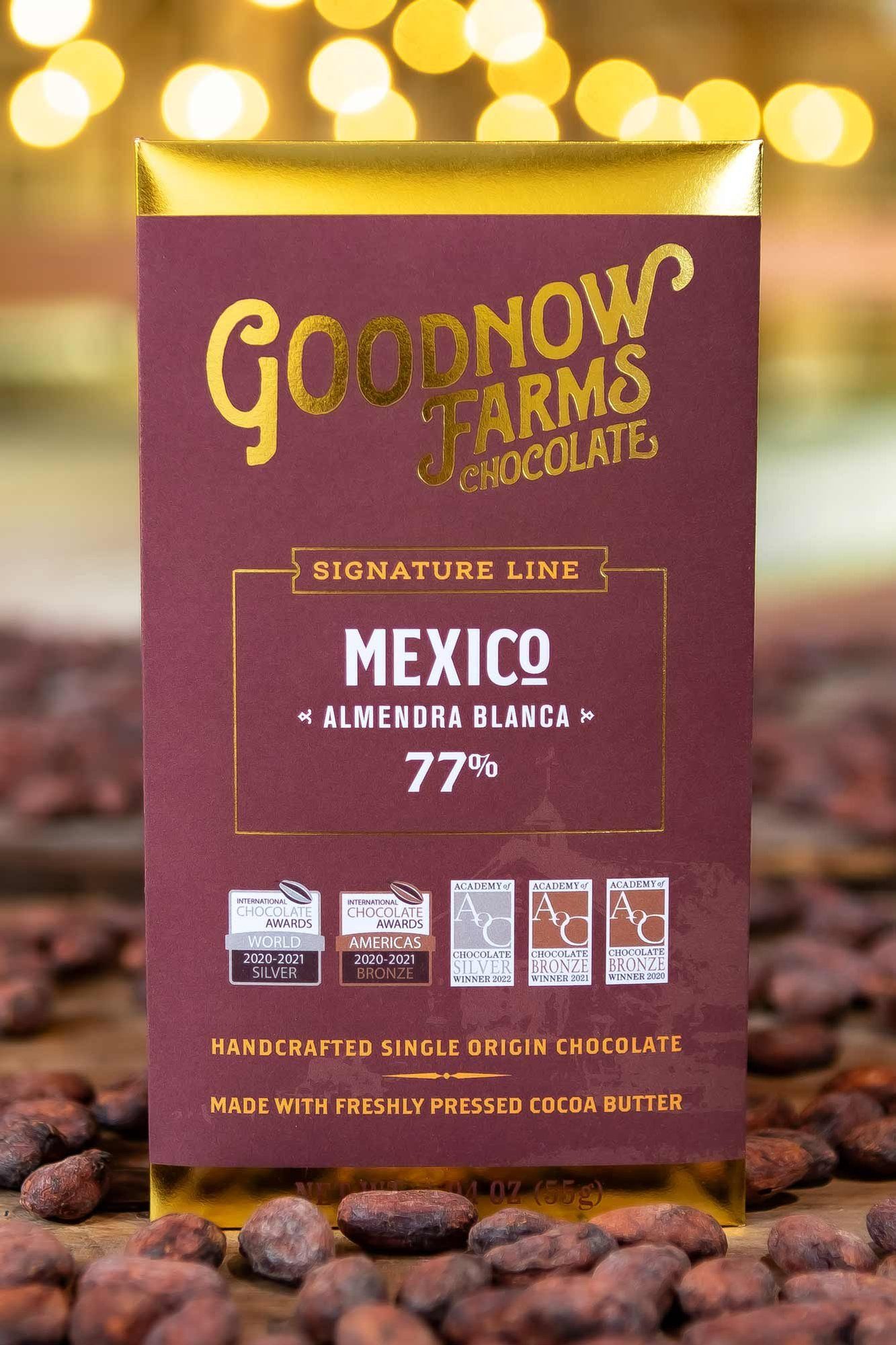
A higher percentage only means more cacao and less sugar, not better chocolate. A white film is bloom and safe to eat. The fridge usually does more harm than good, "dark chocolate" has no legal definition in the US, and darker color does not mean more cacao.
What does predict a good bar is a named origin, a short ingredient list and a maker who works from the bean.
Dark chocolate collects myths the way a bar in a warm car collects bloom. Here are the five we hear most, and what the makers and the rulebooks say.
1. The higher the percentage, the better the chocolate
The percentage is the share of the bar's weight that came from cacao. The rest is mostly sugar. An 85 percent bar has half the sugar of a 70, and that is all the number promises.
It says nothing about how well the beans were grown, fermented or roasted. A 70 percent made from carefully fermented beans will beat an 85 percent made from flat ones every time. Most craft makers work between 65 and 80 percent because that is where many origins taste best. Pick a percentage for how sweet you like it, and pick the bar for where it came from.
2. A white film means the chocolate has gone bad
That film is bloom. Fat bloom comes from warmth: some cocoa butter melts, rises and sets again as soft gray streaks. Sugar bloom comes from moisture: water dissolves sugar on the surface, which dries into a dusty white coat. Both change how a bar looks and feels. Neither makes it unsafe. Melt a bloomed bar into hot chocolate or brownies and nobody will ever know.
3. Chocolate keeps best in the fridge
Callebaut, one of the world's largest chocolate makers, gives 12 to 18 °C (54 to 64 °F) as the ideal range and says refrigeration is generally not recommended. A fridge is humid and full of smells that cocoa butter happily soaks up, and a cold bar brought into a warm room collects condensation, which causes sugar bloom. A closed tin in a cool cupboard does better. In real heat, seal the bar well and let it come back to room temperature before you open it.
4. "Dark chocolate" means something specific
Not in the US. The federal standard, 21 CFR 163.123, defines sweet chocolate (at least 15 percent chocolate liquor) and semisweet or bittersweet chocolate (at least 35 percent). "Dark" is not a defined term, and neither are "single origin", "craft" or "bean-to-bar". A bar can say any of them. That is why the details a maker adds on their own, like the farm or the harvest, are worth more than the adjectives on the front.
5. Darker color means more cacao
Color comes from the beans, the roast and processing, not only from percentage. A lightly roasted bar can look surprisingly pale and still be 70 percent, and some bars made from unroasted beans are lighter still. Cocoa treated with alkali, labeled "processed with alkali", turns very dark while tasting milder. Ecole Chocolat says plainly that depth of color is not a sign of quality. Taste it and read the wrapper.
One more, while we are here
"100 percent chocolate is inedible." A badly made one is harsh. A good one, like Raaka's 100% from Tanzanian beans, is fruity and creamy. Start with a small square, and let it melt instead of chewing.
Questions
Is higher percentage dark chocolate better?
No. Percentage is how much of the bar came from cacao. Bean quality, fermentation and roasting decide whether it tastes good.
Is chocolate with a white coating safe?
Yes. It is bloom, cocoa butter or sugar that moved to the surface. It changes the look and texture, not safety.
Should chocolate be stored in the fridge?
Usually not. Callebaut recommends 12 to 18 °C and does not recommend refrigeration, since condensation causes sugar bloom.
Is dark chocolate legally defined?
Not in the US. The rules define sweet, semisweet and bittersweet chocolate, with at least 35 percent chocolate liquor for the last two.