Dandelion Chocolate is a bean-to-bar maker in San Francisco, making chocolate since 2010, whose single-origin bars contain only cocoa beans and sugar, with no added cocoa butter, lecithin or vanilla.
It prints details like the harvest year and roast level on its bars and buys from origins such as Kokoa Kamili in Tanzania, Maya Mountain in Belize and farms around Reserva Zorzal in the Dominican Republic.
 6:13
Most chocolate makers add something. A little cocoa butter for a silkier melt, a pinch of lecithin to make the chocolate flow, some vanilla to round it out. Dandelion Chocolate has made chocolate in San Francisco since 2010 with just two ingredients, cocoa beans and sugar, and it has built a whole company around how much flavor that leaves room for.
Co-founder Todd Masonis writes that chocolate can have more complexity than coffee or wine. Two ingredients is how Dandelion lets that complexity through. With nothing else in the bar, the only things that change the flavor are the bean, the fermentation and Dandelion's roast.
A wrapper with a batch record
Dandelion's single-origin bars read like a lab notebook in the best way. The Kokoa Kamili, Tanzania 70% gives the harvest year and the batch, and a roast level of 2 out of 5, gentle enough to keep the fruit. The tasting notes are guava, Turkish yogurt and fudge.
| Bar | Origin | Maker's notes |
|---|---|---|
| Kokoa Kamili, Tanzania 70% | A fermentary in Tanzania's Kilombero Valley | Guava, Turkish yogurt, fudge |
| Zorzal Comunitario, Dominican Republic 70% | Farms around Reserva Zorzal, a bird sanctuary and cacao farm | Chocolate cake, yogurt, tamarind |
The Zorzal Comunitario 70% comes from farms surrounding Reserva Zorzal in the Dominican Republic. Dandelion says it roasted the harvest to keep the beans' tart fruit aromas. Taste the two side by side and you have the clearest demonstration we know that origin is flavor: same maker, same percentage, same two ingredients, two different bars.
Knowing the people behind the beans
Dandelion writes about its sources in detail. Its page on Maya Mountain Cacao in Toledo, Belize, explains that Maya Mountain was the first company in Belize to buy wet beans from farmers, fermenting them for six to seven days in a line of boxes and drying them on mesh decks under greenhouse plastic for one to two weeks. Before that, the page says, farmers fermented in boxes of all sizes and dried on tarps, zinc or cement. It also lists what Maya Mountain paid per kilo. The company's site links to a full sourcing report.
A factory you can visit
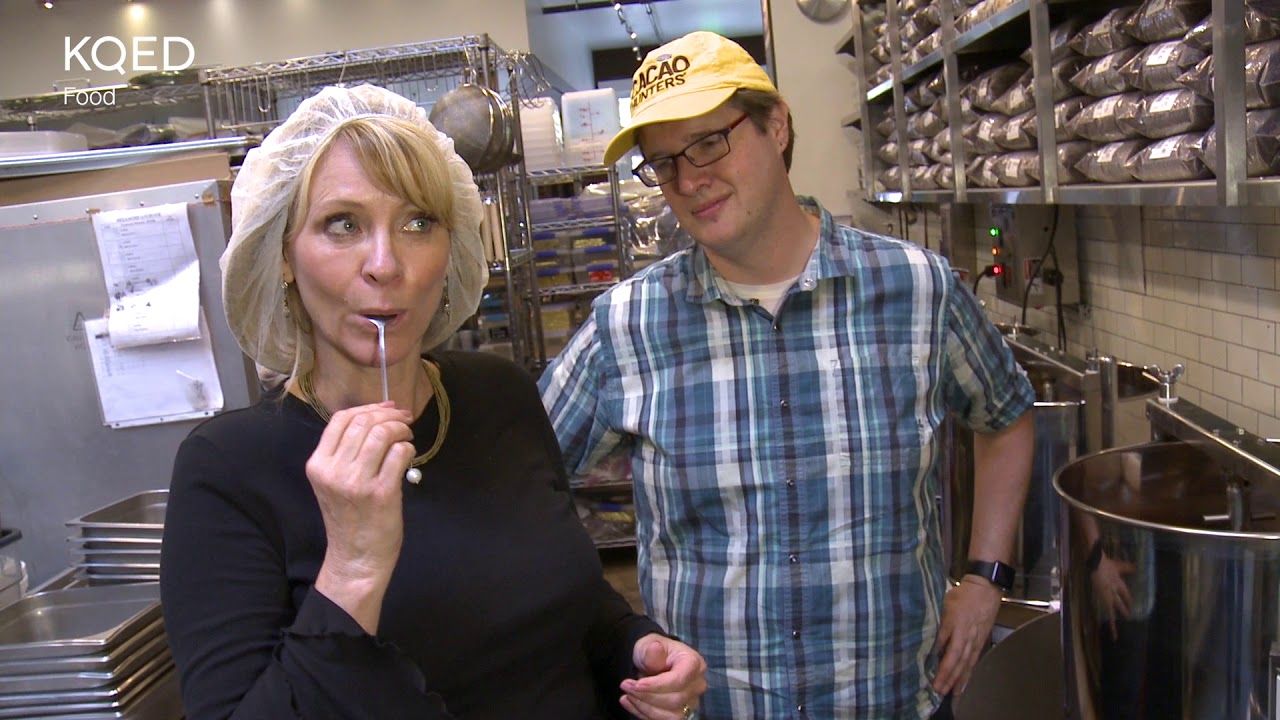
Dandelion runs factory tours and chocolate classes in San Francisco, plus cafes there, in Las Vegas and in Tokyo. If you cannot get there, KQED's short film from the factory floor walks through bean sorting, roasting, winnowing and the melangers with the company's bean sourcer, and ends with a tasting of single origins.
Start with the Tanzania. If it does not change what you think dark chocolate tastes like, try the Dominican Republic next to it.
Questions
What is in a Dandelion Chocolate bar?
Cocoa beans and sugar. Dandelion makes its single-origin bars with no added cocoa butter, lecithin or vanilla.
Where is Dandelion Chocolate made?
In San Francisco, where it has made chocolate since 2010. It also runs cafes in San Francisco, Las Vegas and Tokyo and offers factory tours and classes.
Which Dandelion bar should I try first?
The Kokoa Kamili, Tanzania 70% for bright fruit (guava, Turkish yogurt, fudge), or the Zorzal Comunitario, Dominican Republic 70% for something gentler.
Does Dandelion publish where it buys beans?
Yes. Its site links to a sourcing report, and its blog has pages on individual origins such as Maya Mountain Cacao in Belize.