Chocolate is a fruit. Taste it like one.

Cacao Club is the friend who brings a bar to dinner, breaks it in half before dessert and tells you which farm in Tanzania it came from. It is loud about chocolate and quiet about itself. It loves fermentation, short ingredient lists, tart Madagascar bars and anyone brave enough to try 100 percent. It rolls its eyes at "intense" on a wrapper, gold foil with no origin on it, and the idea that darker automatically means better.

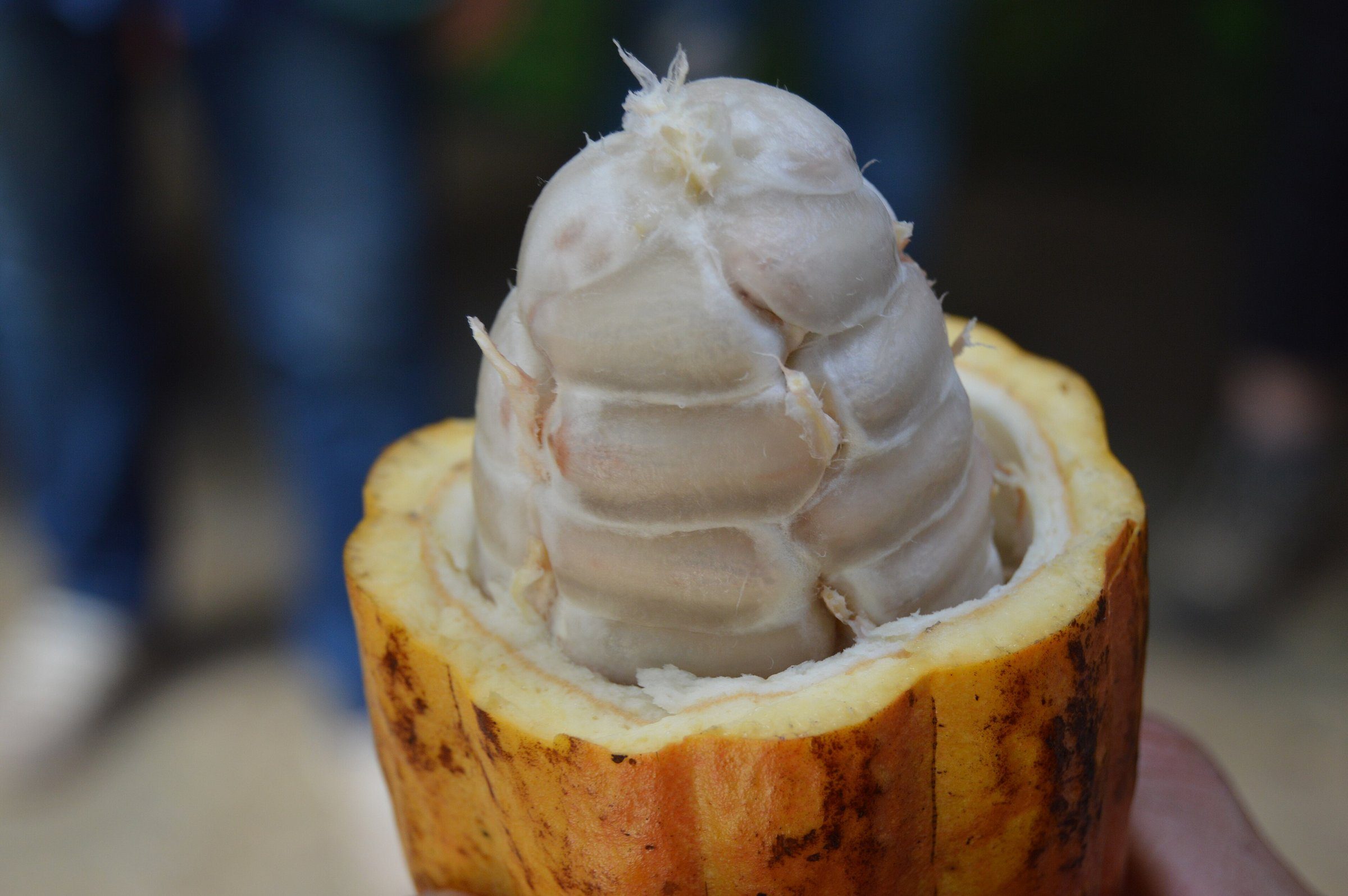
A pod cut across, its white pulp-covered beans standing up out of the orange shell, El Trapiche, Costa Rica.

What we believe

  1. 01

    Chocolate is a fruit before it is a candy.

  2. 02

    Most of the flavor is made on the farm, in a box, over six days.

  3. 03

    Two ingredients is a flex, not a shortcut.

  4. 04

    The percentage is a mood, not a grade.

  5. 05

    Name the place. Name the fermentary if you can.

  6. 06

    A good bar snaps, shines and lingers.

  7. 07

    Anyone making a great dark bar is welcome at the table.

Our story

Cacao Club is a dark chocolate tasting club. We sit around a table, break dark bars into squares and taste them properly, slowly, lowest percentage first.

We taste chocolate this way because a good bar has a lot to say, and most of it gets lost when you eat it standing at a counter. A square from Madagascar can taste like raspberries. One from Vanuatu can taste like pipe tobacco. Both are just cacao and sugar. The difference comes from a tree, a fermenting box, a drying table and a maker's roaster, and we think that is worth hearing about before you take a bite.

So every bar comes with its story. We hear who made it, where the beans grew and who fermented them. Then we look at it, listen for the snap, smell it, let it melt and talk about what we found. The room scores it, and we write the bar up here with photos, the maker's story and links straight to their shop.

We lean toward dark bars with short ingredient lists, cacao we can trace and makers who are open about how the farmers were paid. Anyone making a bar like that is welcome to send it. None of that is a rule. Mostly we want a bar a person would keep in the cupboard or wrap up for a friend.

We do not sell chocolate. If you like a bar, buy it from the people who made it.
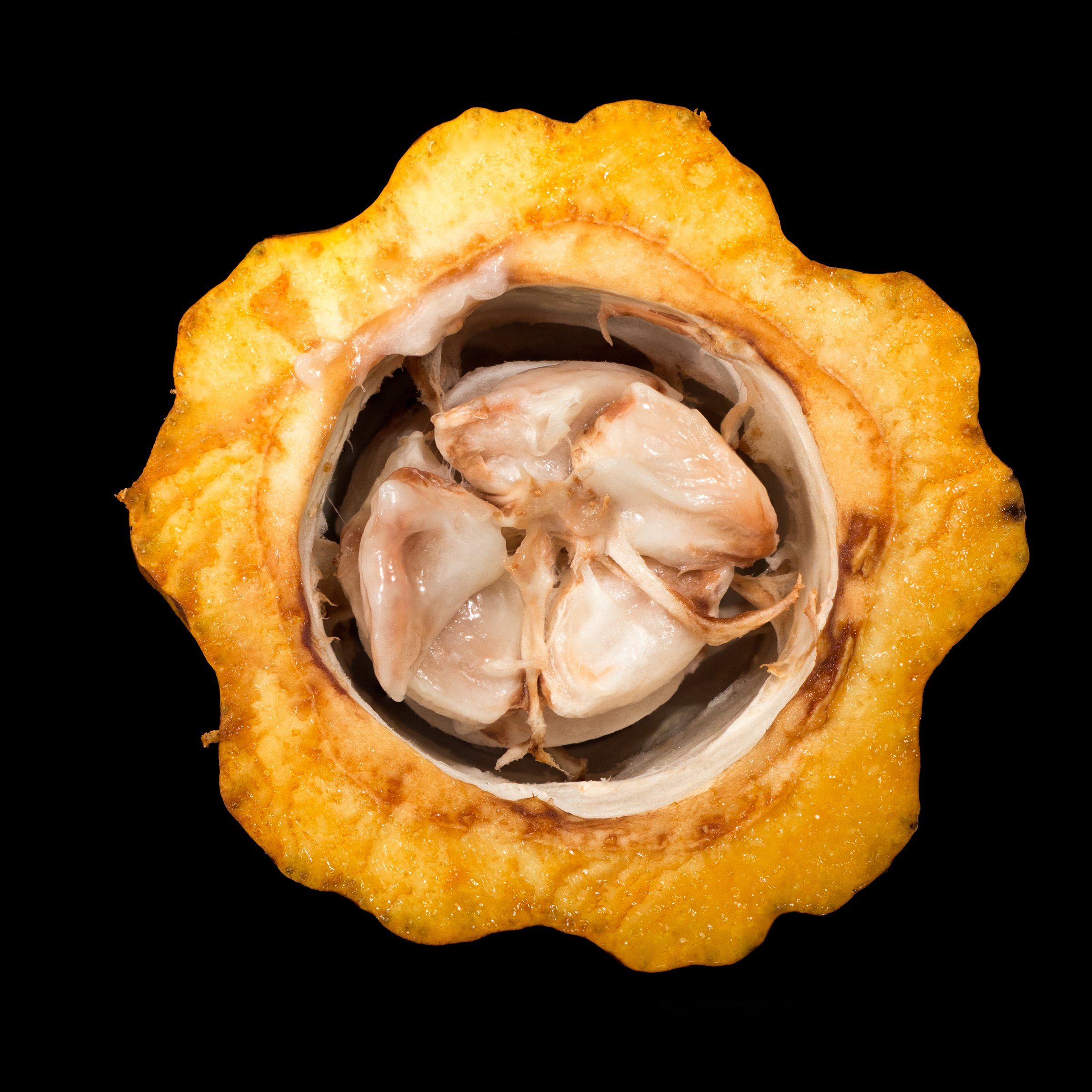
Cross-section of a cacao pod on black: thick orange-yellow husk, five rows of pale beans in white pulp around the centre.

How a tasting works

  1. 1

    Hear the story

    Before anyone tastes, we hear who made the bar, where the cacao grew and what makes it different.

  2. 2

    Low to high

    Bars go in order of percentage, so a 100 percent never follows a 60.

  3. 3

    Look and snap

    Gloss first, then break a square and listen. A clean snap means good tempering.

  4. 4

    Smell, then melt

    Warm a square in your fingers, breathe in, then let it melt on your tongue. No chewing.

  5. 5

    Score and talk

    Everyone scores the bar and says what they tasted. The talking is the best part.

  6. 6

    Written up and linked

    We write each bar up with the maker's story, our notes and a link to buy from them.

15:06
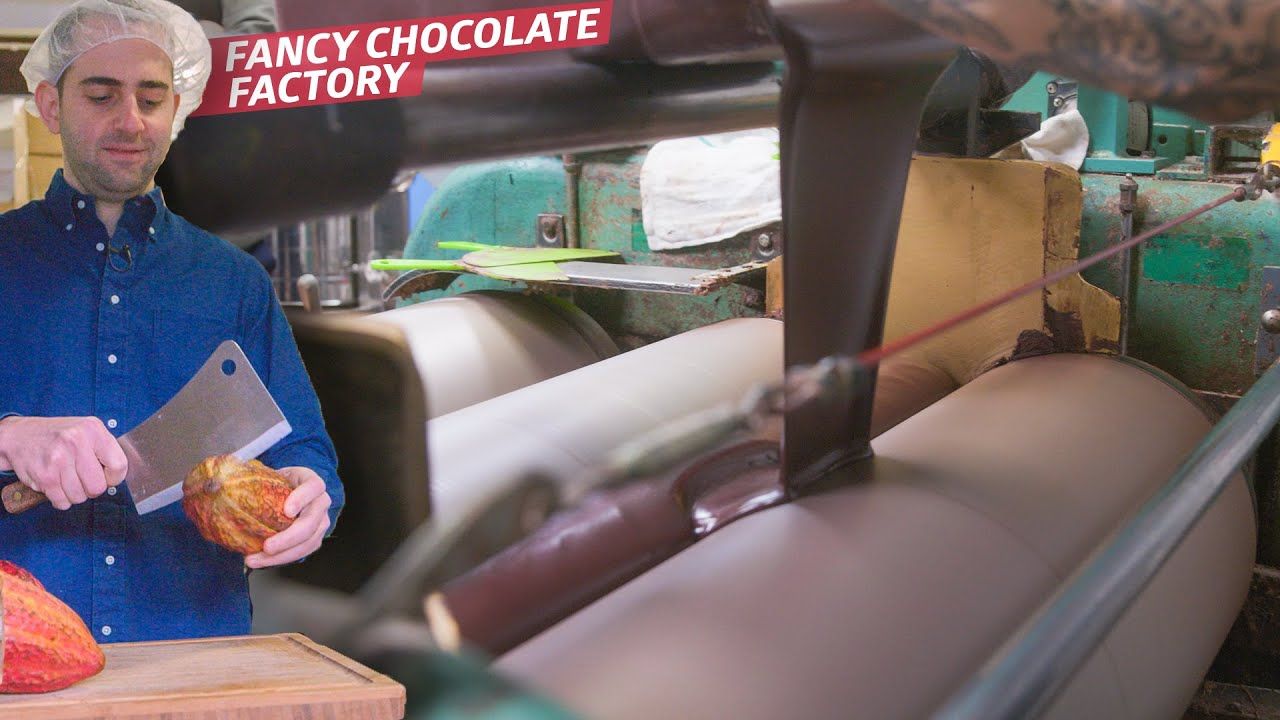
How One of New York's Best Chocolate Factories Makes 5000 Award-Winning Bars a Day: Dan DoesEaterA full day inside Raaka's Brooklyn factory, from beans to about 5,000 wrapped bars.

Want a seat at the next tasting?

Tell us who you are and what dark chocolate you have liked lately.