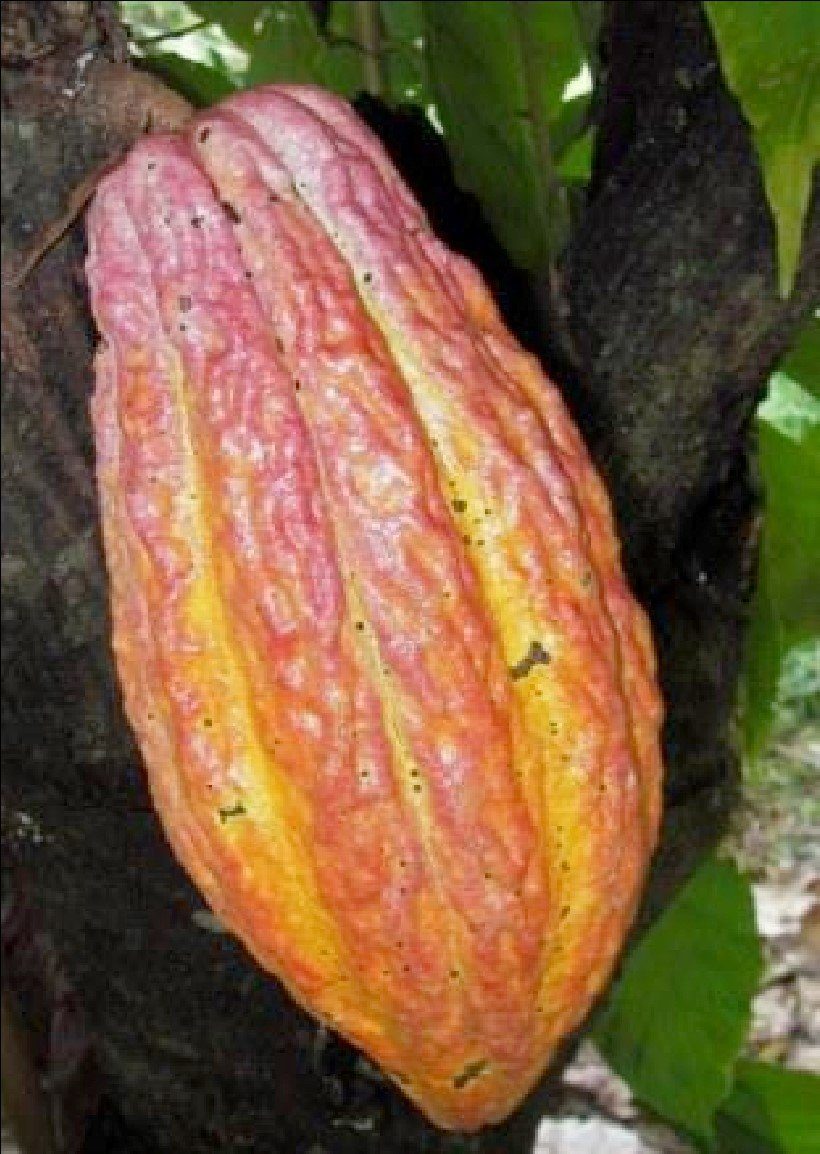
The best dark chocolate falls into six styles. There are two-ingredient single origin bars and single estate bars that name the farm or fermentary. There are high-percentage bars from 80 to 100 percent, heirloom cacao, and bright fruity origins like Madagascar and Tanzania. Last come dark bars with nibs or salt, where the crunch never drowns the chocolate.
If you only try one, make it a two-ingredient single origin bar around 70 to 75 percent. It lets you taste exactly what the bean and the maker did, with nothing in the way.
Two-ingredient single origin
Cacao and sugar from one place. Nothing to hide behind, which is the point.
Without added cocoa butter the bar is a little firmer and the melt a little slower, and the flavor of the origin comes through with nothing in the way. This is the style that made American craft chocolate, and still the one makers use to show off.
Start with Dandelion's Zorzal Comunitario 70% from the Dominican Republic (the maker's notes: chocolate cake, yogurt, tamarind). Fruition's Dominican Nacional 77% runs to walnut, tobacco and fudge. Dick Taylor calls its 78% Vanuatu bold and wild, with an almost tobacco-like richness.
Single estate and named fermentaries
One step past single origin: the wrapper names the farm, the co-op or the fermentary. Fermentation and drying set most of a bean's flavor, so the people doing it matter as much as the trees.
Goodnow Farms is the clearest example. Its Asochivite bar comes from wild trees harvested by Q'eqchi' Maya farmers in San Juan Chivite, Guatemala, who ferment and dry the beans in their own village. Its El Carmen bar comes from small family farms near Matagalpa, Nicaragua, fermented at Cacao Bisiesto. Both are 77 percent, and they taste nothing alike: green banana and mango in one, caramel and raisin in the other.
At the far end of the scale is a bar from one farm. Mānoa's Waiāhole bar is made once a year from roughly 100 trees on the Reppun brothers' farm on Oʻahu.
High percentage, 80 to 100
Less sugar, more cacao, and nowhere for a bad bean to hide. A well-made 85 percent should taste like dark fruit and roasted nuts, with bitterness in the background. A poor one tastes like burnt coffee and leaves your mouth dry.
At 100 percent there is no sugar at all, and the bean has to carry everything. Raaka makes its 100% from unroasted Kokoa Kamili beans from Tanzania, with a little of their cocoa butter, and describes it as creamy, bright and strong with a tingling fruity bite. Fruition's Colombia Tumaco 85% (brownie, butterscotch, blackberry) and Castronovo's Arhuacos 80% (soursop, white grape, walnut, black pepper, green tea) show how much flavor survives with very little sugar.
Go slowly. Use a smaller square than usual and let it sit on your tongue.
| Bar | Cacao | Maker's notes |
|---|---|---|
| Castronovo Arhuacos | 80% | Soursop, white grape, walnut, black pepper |
| Fruition Colombia Tumaco | 85% | Brownie, butterscotch, blackberry |
| Raaka 100% Cacao | 100% | Creamy, bright, a tingling fruity bite |
Heirloom cacao
The Heirloom Cacao Preservation Fund works with the USDA's Agricultural Research Service and the Fine Chocolate Industry Association. It gives an Heirloom designation to cacao that passes three tests: a tasting panel, a visit to the site, and a genetic analysis. The fund wants to find and protect trees with exceptional flavor before they are cut down for higher-yield clones.
The designation is rare enough to be worth noticing on a wrapper. Ritual Chocolate's Madagascar 75% comes from Bejofo Estate in the Sambirano Valley, which holds HCP designation #15, awarded in 2018. The maker tastes citrus, raspberry and roasted peanuts in it. Ritual's Belize 75% is made from Maya Mountain Cacao beans, which also hold the designation.
An heirloom designation says the genetics and the flavor were checked by people who care. That is a very good start, and the maker still has to make the bar well.
 6:07
Bright, fruity origins
Some places grow cacao that tastes like a fruit bowl. Madagascar's Sambirano Valley is the classic: red berries and citrus, with an acidity people either love or need a minute with. Dick Taylor's 72% Madagascar, from Bertil Akesson's estate, is a good place to start (molasses, orange, toast).
Tanzania is the other. Kokoa Kamili, a fermentary in the Kilombero Valley, buys fresh beans from local farmers and ferments them centrally, and a lot of makers buy from it. Dandelion's Kokoa Kamili 70% tastes of guava, Turkish yogurt and fudge, according to the maker. Askinosie's 72% Mababu, from a farmer group in the Kyela district, runs to strawberry, blueberry and graham.
If you think you do not like dark chocolate, try one of these. The bitterness most people expect is not where these bars live.
Nibs and inclusions, done with restraint
A dark bar with something in it can be great or a disguise. The test is whether you can still taste the chocolate.
Cacao nibs are the most natural inclusion, since they are just roasted cacao in pieces. Castronovo takes it somewhere unusual: its 68% bar uses Arhuaco cacao from Colombia studded with nibs of Theobroma bicolor, a wild relative of cacao called macambo or jaguar cacao, bought from a women's cooperative in Chazuta, Peru. Flake salt is the other classic. French Broad's 70% Sea Salt bar uses flake salt from Spicewalla in Asheville.
We skip bars where the inclusion is the headline and the chocolate is the delivery system.
Where the old three-type story fits
You will still see Criollo, Forastero and Trinitario on wrappers. They are useful shorthand and a simplification. A 2008 study of 1,241 trees found ten genetic clusters of cacao, among them Marañón, Nacional, Amelonado and Criollo. Most of the world's cacao is Amelonado, a Forastero type grown largely in West Africa, with a bold, classic cocoa flavor. Fine flavor cacao, mostly from Latin America, is under 5 percent of world production by ICCO's count.
On a wrapper, a genetic name is a hint, not a verdict. Fermentation and the maker's roast move flavor at least as much.
Questions
What is the best type of dark chocolate?
For most people, a single origin bar at 70 to 75 percent with two or three ingredients. It shows the most flavor with the least sugar in the way.
What is the difference between single origin and single estate?
Single origin means one country or region. Single estate names one farm, estate or fermentary, which makes the bar easier to trace and usually more distinct.
What does heirloom cacao mean?
Cacao designated by the Heirloom Cacao Preservation Fund after a tasting panel, a site visit and genetic testing. Bejofo Estate in Madagascar, for example, holds designation #15.
Which dark chocolate tastes fruity?
Bars from Madagascar's Sambirano Valley and from Tanzania, especially Kokoa Kamili, are known for red fruit, citrus and bright acidity.
Is 100 percent chocolate edible on its own?
Yes. A well-made 100 percent bar, like Raaka's from Tanzanian beans, is fruity and strong rather than harsh. Start with a small piece.
- About the Heirloom Cacao Preservation Fund, Heirloom Cacao Preservation Fund
- Madagascar 75%, Ritual Chocolate
- Motamayor et al., Geographic and genetic population differentiation of the Amazonian chocolate tree, PLoS ONE (2008), PLoS ONE
- Growing cocoa, International Cocoa Organization
- Kokoa Kamili, Tanzania 70%, Dandelion Chocolate
- 72% Mababu, Tanzania Dark Chocolate Bar, Askinosie Chocolate
- Asochivite, Goodnow Farms
- El Carmen, Goodnow Farms
- 100% Cacao, Raaka Chocolate
- Arhuacos 80% Single-Origin Dark Chocolate Bar, Castronovo Chocolate
- Jaguar Cacao Nibs, Macambo 68%, Castronovo Chocolate
- Dominican Nacional Dark 77%, Fruition Chocolate Works
- 78% Vanuatu, Malekula Island, Dick Taylor Craft Chocolate
- Waiāhole, Oʻahu Island Bar 70%, Mānoa Chocolate