
The percentage is mostly a sugar number
Where each band sits, and how much sugar comes with it.
- 65 to 70%30 to 35 g sugar / 100 gRound, fruity, easiest to share
- 72 to 78%22 to 28 g sugar / 100 gThe sweet spot for origin character
- 80 to 90%10 to 20 g sugar / 100 gBold, drier, more bitter and acidic
- 100%0 g sugar / 100 gPure cacao. A great one is fruity, a poor one is harsh
From our guide How to read a dark chocolate wrapper.
The styles we like
 01
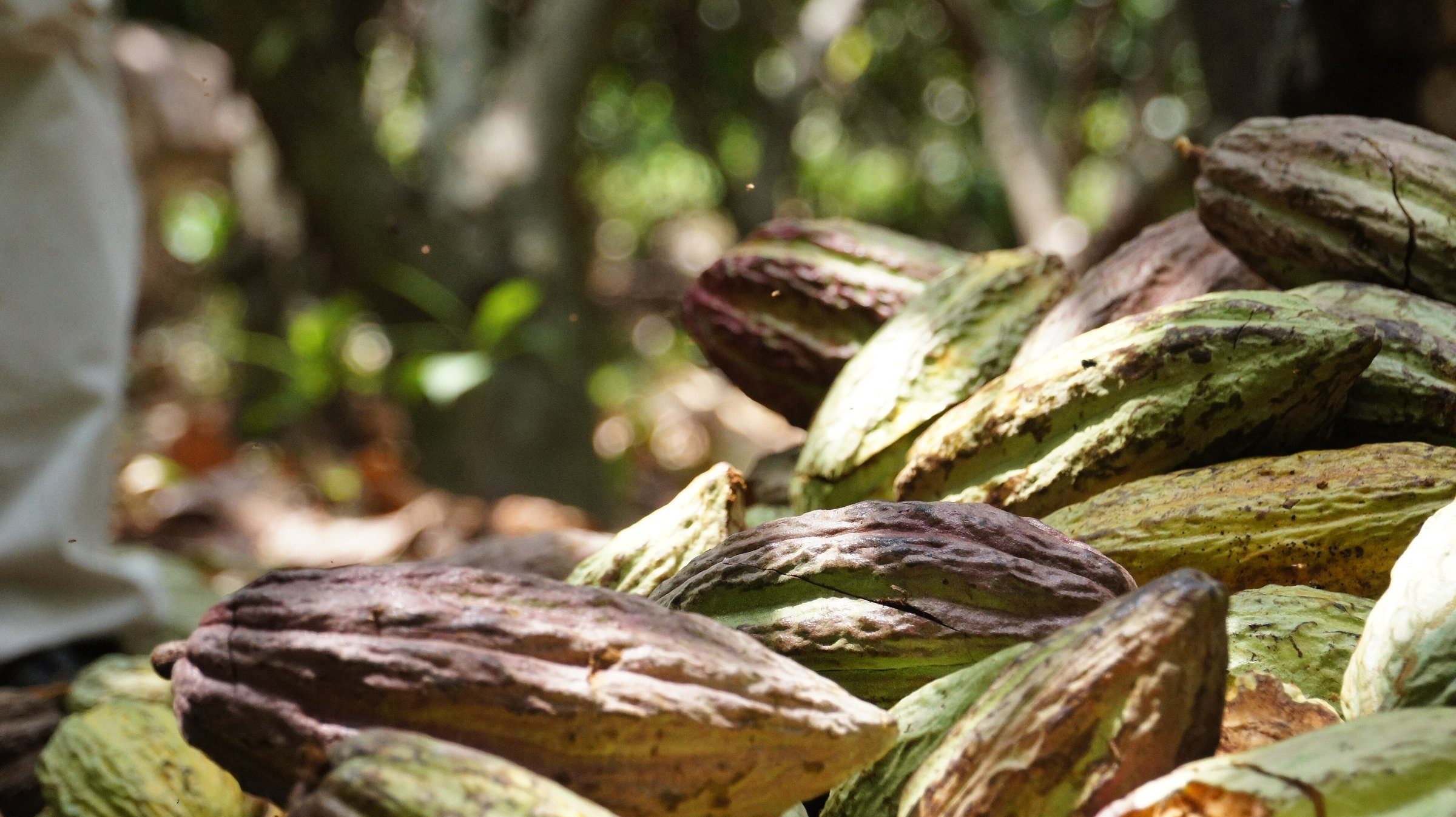
Two-ingredient single origin
Cacao and sugar from one place, with nothing between you and the bean. It is the clearest way to taste what a farm, a fermentary and a maker each did.
Best for Learning what origin tastes like
Look for- single origin
- cacao, sugar
- a country and a region
- harvest year
Skip A long ingredient list on a bar that calls itself single origin
3 we like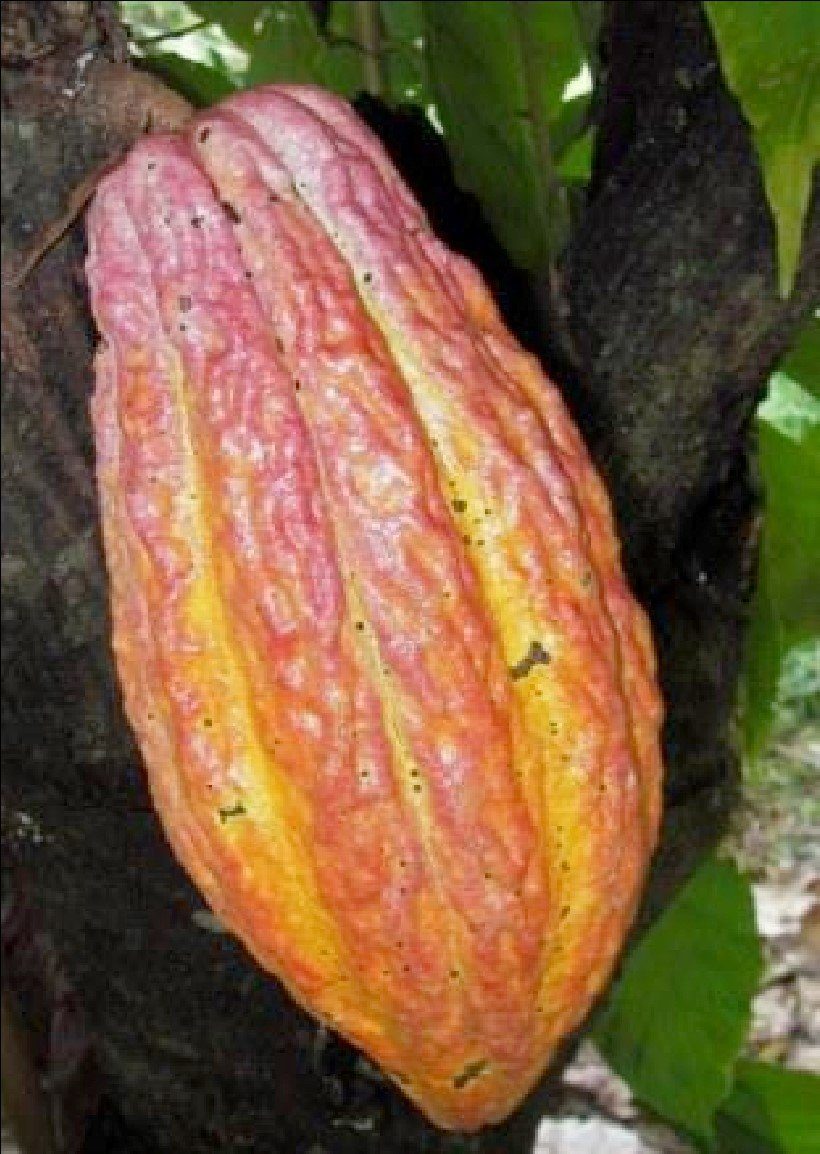 02
Single estate and named fermentaries
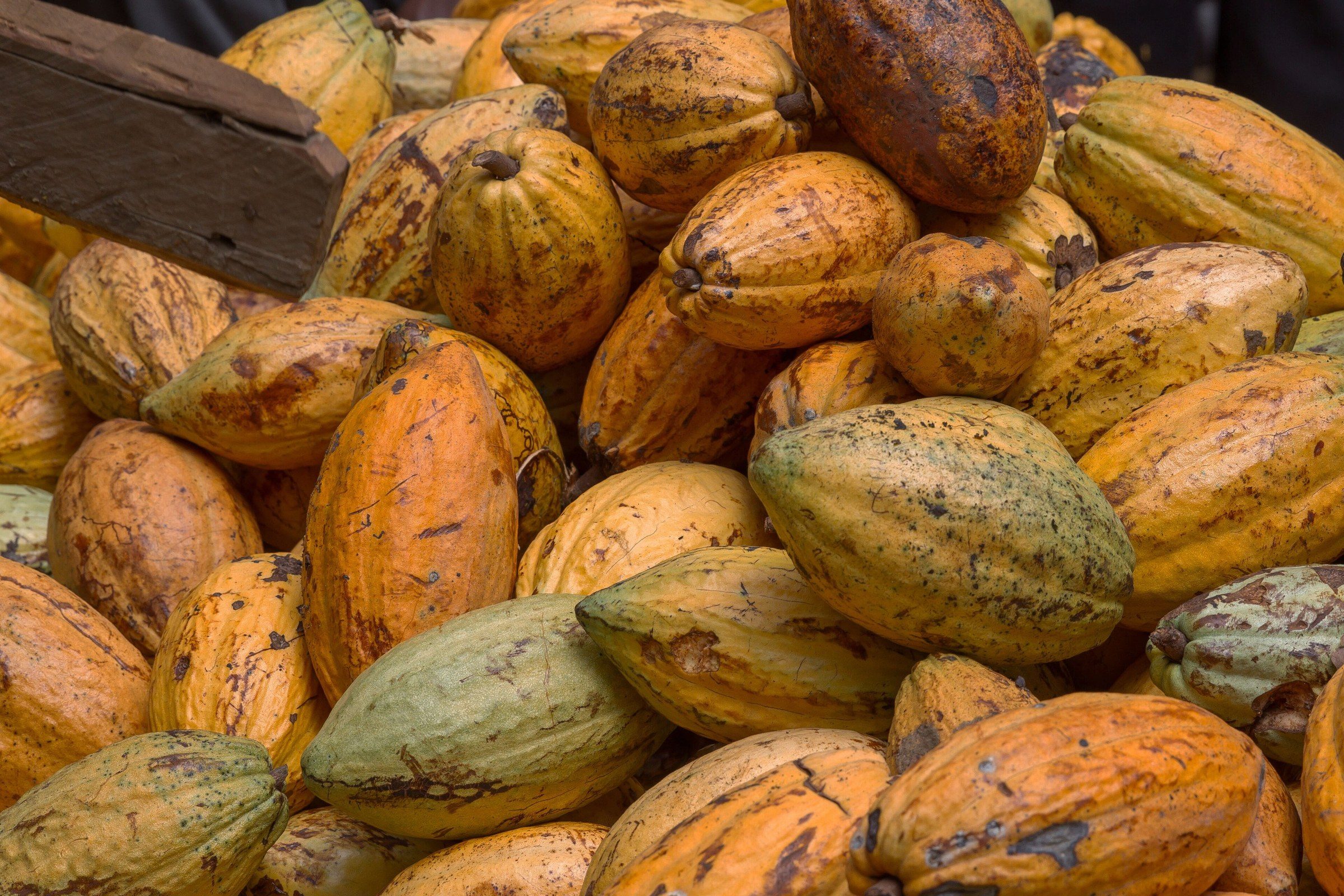
The wrapper names the farm, co-op or fermentary, so you know whose work you are tasting. Fermentation sets most of a bean's flavor, and these bars show it.
Best for Side-by-side tastings and gifts with a story
Look for3 we like- estate
- co-op or association name
- fermentary name
- cocoa butter pressed in-house
 03
High percentage, 80 to 100
With little or no sugar, the bean has nowhere to hide. A great one tastes of dark fruit and roasted nuts, with bitterness in the background.
Best for Slow tasting, small squares, strong coffee
Look for- 80%, 85%, 100%
- single origin
- fruity tasting notes
Skip High-percentage bars that only promise intensity and never say where the beans grew
3 we like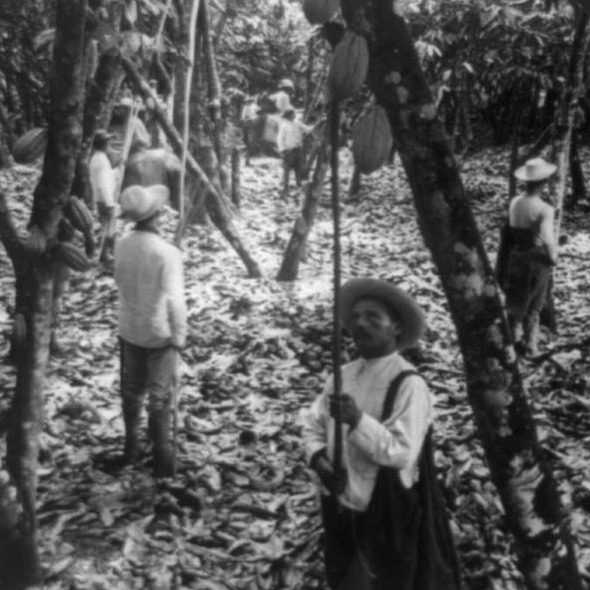 04
Heirloom cacao
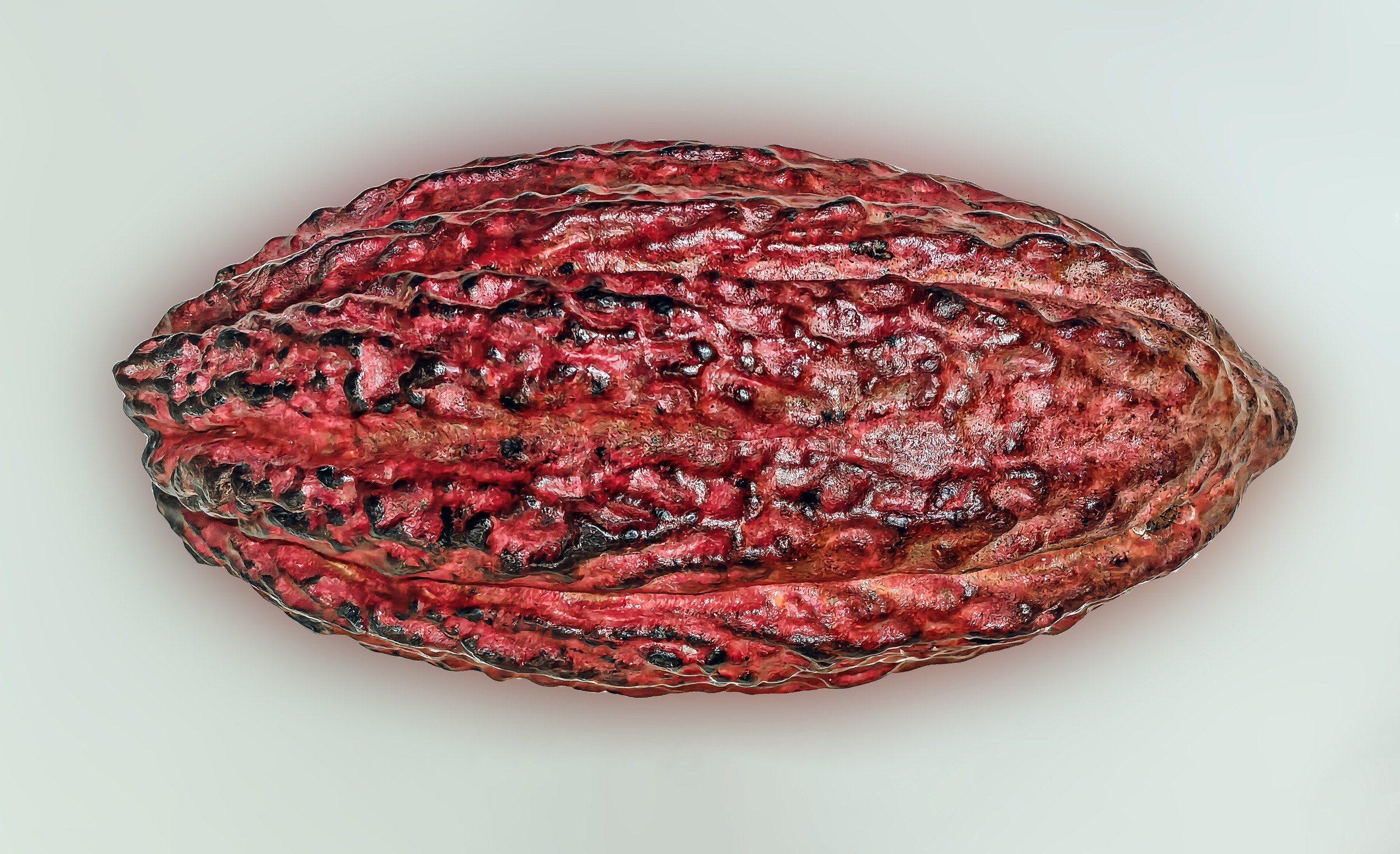
The Heirloom Cacao Preservation Fund checks the flavor with a tasting panel and the genetics in a lab before it designates an origin. That is a lot of care before the maker even starts.
Best for Tasting rare cacao with a known background
Look for2 we like- Heirloom Cacao Preservation Fund
- HCP designation number
- estate name
 05
Bright, fruity origins
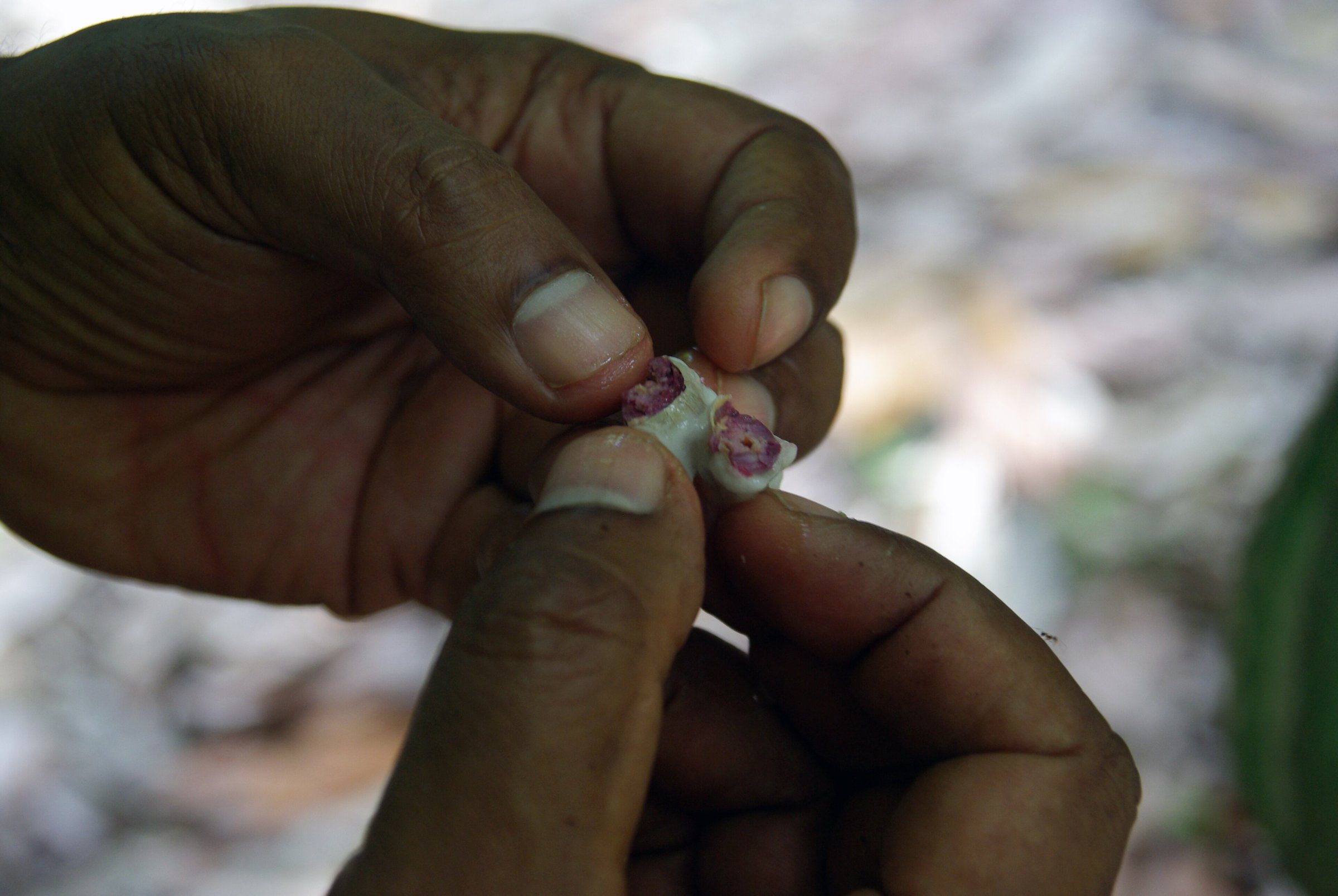
Madagascar and Tanzania grow cacao that tastes like a fruit bowl: red berries, citrus, tropical fruit. These bars change minds about dark chocolate.
Best for Anyone who thinks dark chocolate is just bitter
Look for3 we like- Sambirano
- Kokoa Kamili
- Mababu
- light roast
 06
Nibs and salt, with restraint
Nibs and flake salt are the two additions that make a dark bar better without hiding it. You should still taste the chocolate first.
Best for Texture, sharing, an everyday bar
Look for- cacao nibs
- flake salt
- a named origin under the inclusion
Skip Bars where the add-in is the headline and the chocolate is just the delivery system
2 we like
The bars we like
Links go to the chocolate maker's own shop. Prices are as listed when we read them.
- Two-ingredient single origin
Zorzal Comunitario, Dominican Republic 70% Single-Origin Chocolate Bar
Cacao and sugar from farms around a bird sanctuary in the Dominican Republic, and nothing else. Dandelion tastes chocolate cake, yogurt and tamarind in it. A gentle place to start, with enough fruit to keep you interested.
Best for A first craft bar, or anyone who says dark chocolate is too bitter
$13.00 (70 g) on the maker's site, read 2026-11-12
See it at Dandelion Chocolate↗ Nacional cacao, Ecuador's old floral variety, grown in the Dominican Republic and made into a two-ingredient 77%. The maker's notes are walnut, tobacco and fudge. Deep and grown-up without any harshness.
Best for After dinner, with a coffee
$14.00 (60 g) on the maker's site, read 2026-11-12
See it at Fruition Chocolate Works↗Two organic ingredients from a South Pacific island, made in a Eureka, California factory by two former woodworkers and boat builders. The maker calls it bold and wild with an almost tobacco-like richness. The curveball of any tasting.
Best for Someone who thinks they have tasted every kind of dark bar
$14.00 (2 oz / 57 g) on the maker's site, read 2026-11-12
See it at Dick Taylor Craft Chocolate↗Wild cacao harvested by Q'eqchi' Maya farmers in San Juan Chivite, Guatemala, who ferment and dry it in their own village. Goodnow presses its own cocoa butter from the same beans. Green banana and mango, bright and clean.
Best for Fruit lovers who also like knowing exactly where their bar came from
$16.00 (55 g) on the maker's site, read 2026-11-12
See it at Goodnow Farms↗Small family farms near Matagalpa, Nicaragua, with beans fermented at Cacao Bisiesto on a profile built with Goodnow. Stone ground and conched for five days. Caramel and raisin, warm and round.
Best for Taste it next to the Asochivite. Same maker, same 77%, two different places
$16.00 (55 g) on the maker's site, read 2026-11-12
See it at Goodnow Farms↗About 100 trees on the Reppun brothers' farm in the Waiāhole Valley on Oʻahu, made into a bar once a year in Kailua. Single estate at its smallest. It sells out, so grab it when it is up.
Best for A gift for someone who already has a favorite bar
$15.00 (2.1 oz / 60 g) on the maker's site, read 2026-11-12
See it at Mānoa Chocolate↗Unroasted Kokoa Kamili beans from Tanzania and their own cocoa butter. No sugar. Raaka calls it creamy, bright and strong with a tingling fruity bite, and that is exactly right. The friendliest 100 percent bar we know.
Best for The brave, and anyone curious what cacao alone tastes like
$8.00 (one bar, about 50 g: 2 servings of 25 g) on the maker's site, read 2026-11-12
See it at Raaka Chocolate↗Cacao from Tumaco on Colombia's Pacific coast, sourced through Uncommon Cacao, with just cane sugar. Brownie, butterscotch and blackberry, per the maker. A 2026 Good Food Awards finalist on the maker's page.
Best for A first step past 80 percent
$14.00 (60 g) on the maker's site, read 2026-11-12
See it at Fruition Chocolate Works↗Cacao the Arhuaco people propagated from ancestral trees in Colombia's Sierra Nevada de Santa Marta. Soursop, white grape, walnut, black pepper and green tea on the maker's card. Strong and still somehow light on its feet.
Best for Slow tasting, one square at a time
$14.00 (62 g) on the maker's site, read 2026-11-12
See it at Castronovo Chocolate↗Bejofo Estate in the Sambirano Valley holds Heirloom Cacao designation #15, awarded in 2018. Ritual turns it into a 75% with citrus, raspberry and roasted peanut. The classic Madagascar fruit with a little more weight.
Best for Learning what heirloom cacao tastes like
$12.00 (single bar, 82 g) on the maker's site, read 2026-11-12
See it at Ritual Chocolate↗Two ingredients, from Maya Mountain Cacao in Toledo, Belize, whose beans carry the Heirloom designation. Dried fig, cherry and honey. Softer and warmer than the Madagascar, and a lovely pair with it.
Best for A side-by-side with the Madagascar 75%
$12.00 (single bar; 12-pack sold out) on the maker's site, read 2026-11-12
See it at Ritual Chocolate↗- Bright, fruity origins
Kokoa Kamili, Tanzania 70% 2025 Harvest Single-Origin Chocolate Bar
Beans from Kokoa Kamili, a fermentary in Tanzania's Kilombero Valley that buys fresh beans from local farmers. Dandelion roasts gently and tastes guava, Turkish yogurt and fudge. If one bar changes a mind about dark chocolate, it is often this one.
Best for Converting a milk chocolate person
$13.00 (2.0 oz / 56 g) on the maker's site, read 2026-11-12
See it at Dandelion Chocolate↗ Beans from Bertil Akesson's estate in the Sambirano Valley, made with organic cacao and cane sugar only. Molasses, orange and toast with the red berry notes Madagascar is known for. Bright and very easy to finish.
Best for An afternoon square with tea
$10.00 (2 oz / 57 g) on the maker's site, read 2026-11-12
See it at Dick Taylor Craft Chocolate↗Trinitario cacao from a farmer group in Mababu, Tanzania, with cocoa butter Askinosie presses in its own factory from the same beans. Strawberry, blueberry and graham, with a creamy texture. Askinosie also publishes what it pays the farmers.
Best for Someone who likes to know who got paid
$11.00 (85 g / 3 oz) on the maker's site, read 2026-11-12
See it at Askinosie Chocolate↗- Nibs and salt, with restraint
Jaguar Cacao Nibs, Macambo 68% Single-Origin Dark Chocolate Bar
A 68% Arhuaco bar studded with nibs of macambo, a wild relative of cacao, bought from a women's cooperative in Chazuta, Peru. The maker tastes hazelnut and macadamia. The crunch belongs here.
Best for Anyone who wants texture in a dark bar
$16.00 (62 g) on the maker's site, read 2026-11-12
See it at Castronovo Chocolate↗ A 70% dark with flake salt from Spicewalla, the Asheville spice company, pressed into the bar. Salt pushes the fruit forward and the bitterness back. Simple and hard to stop eating.
Best for Sharing, or keeping in a desk drawer
$12.00 (60 g bar; 28 g snack bar $6.00) on the maker's site, read 2026-11-12
See it at French Broad Chocolates↗
What we pass on
- We rarely reach for bars that list vanilla and lecithin on a single origin. They are fine chocolate, and the origin gets quieter.
- We pass on dark bars that say only "intense" or "premium" and never name a country. If the maker will not say where the beans grew, we cannot tell you why it tastes the way it does.
- Flavored bars where the chocolate is a backdrop for candy, cereal or syrup are fun. They belong somewhere other than this page.
- Prices move and bars sell out, especially single estate ones made once a year. Check the maker's page before you count on one.

Want a seat at the next tasting?
Tell us who you are and what dark chocolate you have liked lately.