
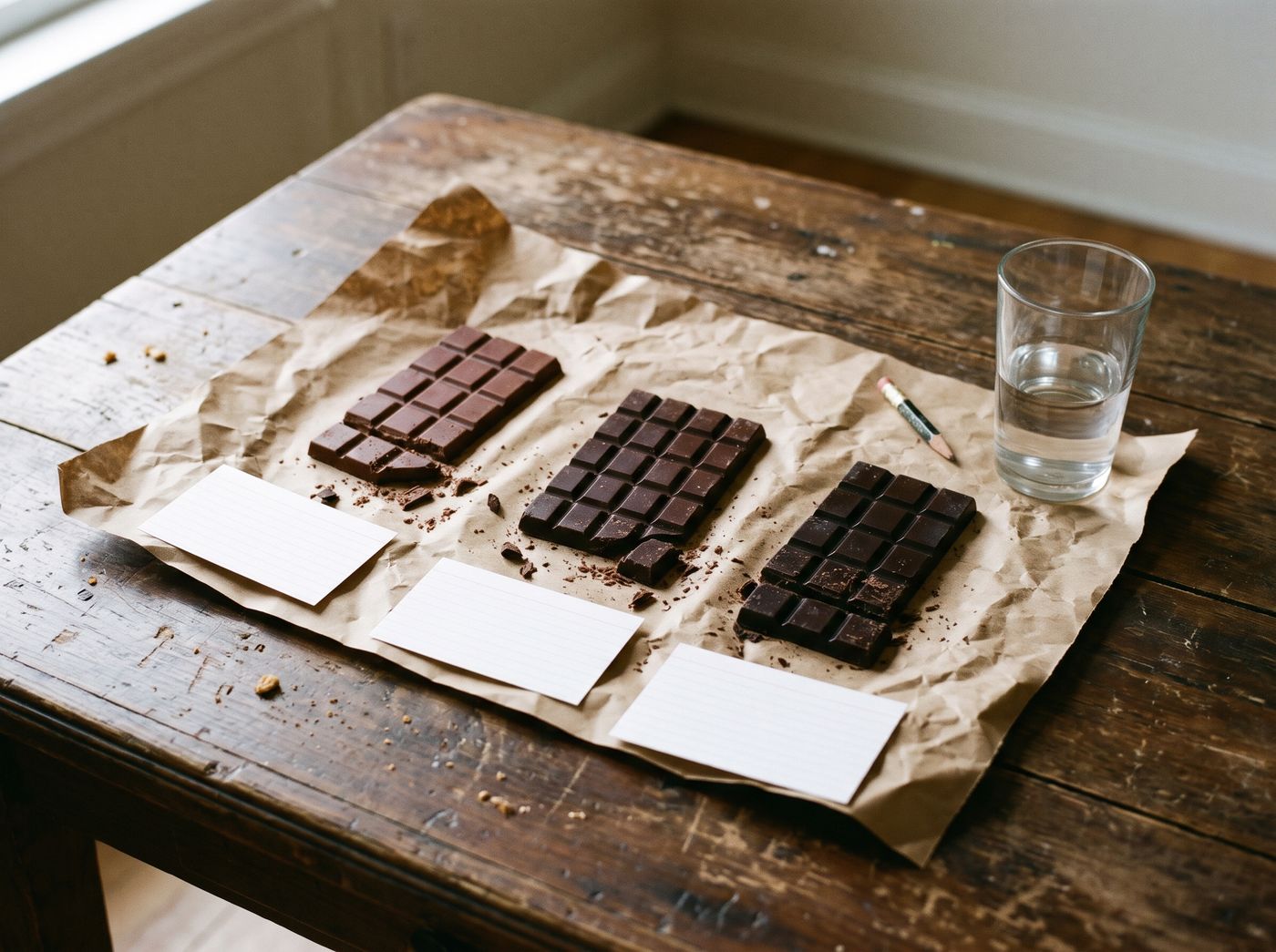
We taste dark bars from small makers. First we hear where the cacao grew and how it was made, then we taste and score.
We hear who made each bar first. Then we taste slowly, lowest percentage to highest, and score.
- WhereWashington, D.C.
- Next tastingThe next date is not set. Ask to join and you will hear when it is.
- Invite listAbout a hundred people are on our invite list.
- Write tojacob@cacaoclub.org
From pod to bar
- 20 to 60beans in one pod
- 5 to 6 monthsfor a pod to ripen
- 2 to 7 daysof fermentation
- About 70%of the world's cacao grows in West Africa
Harvest
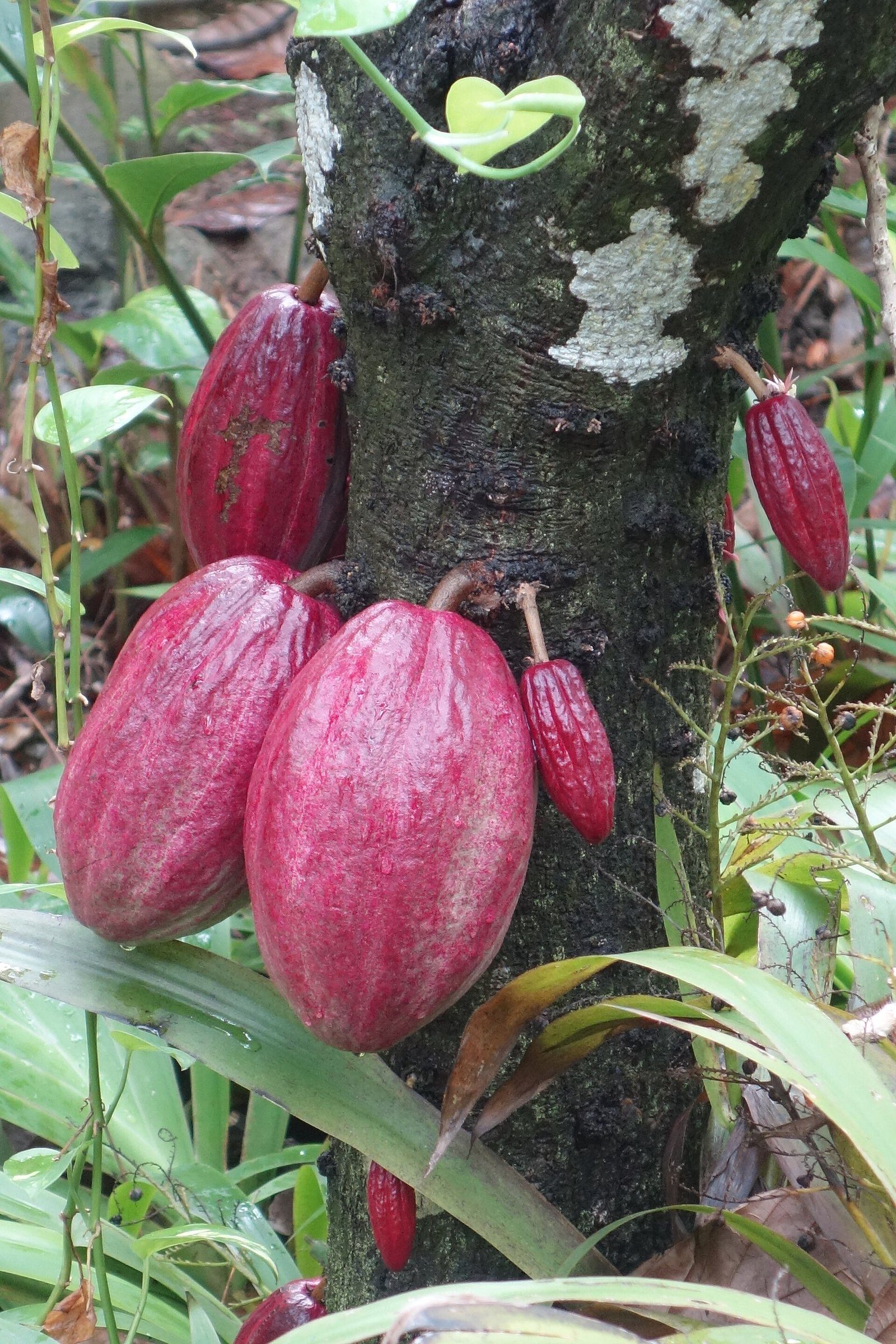
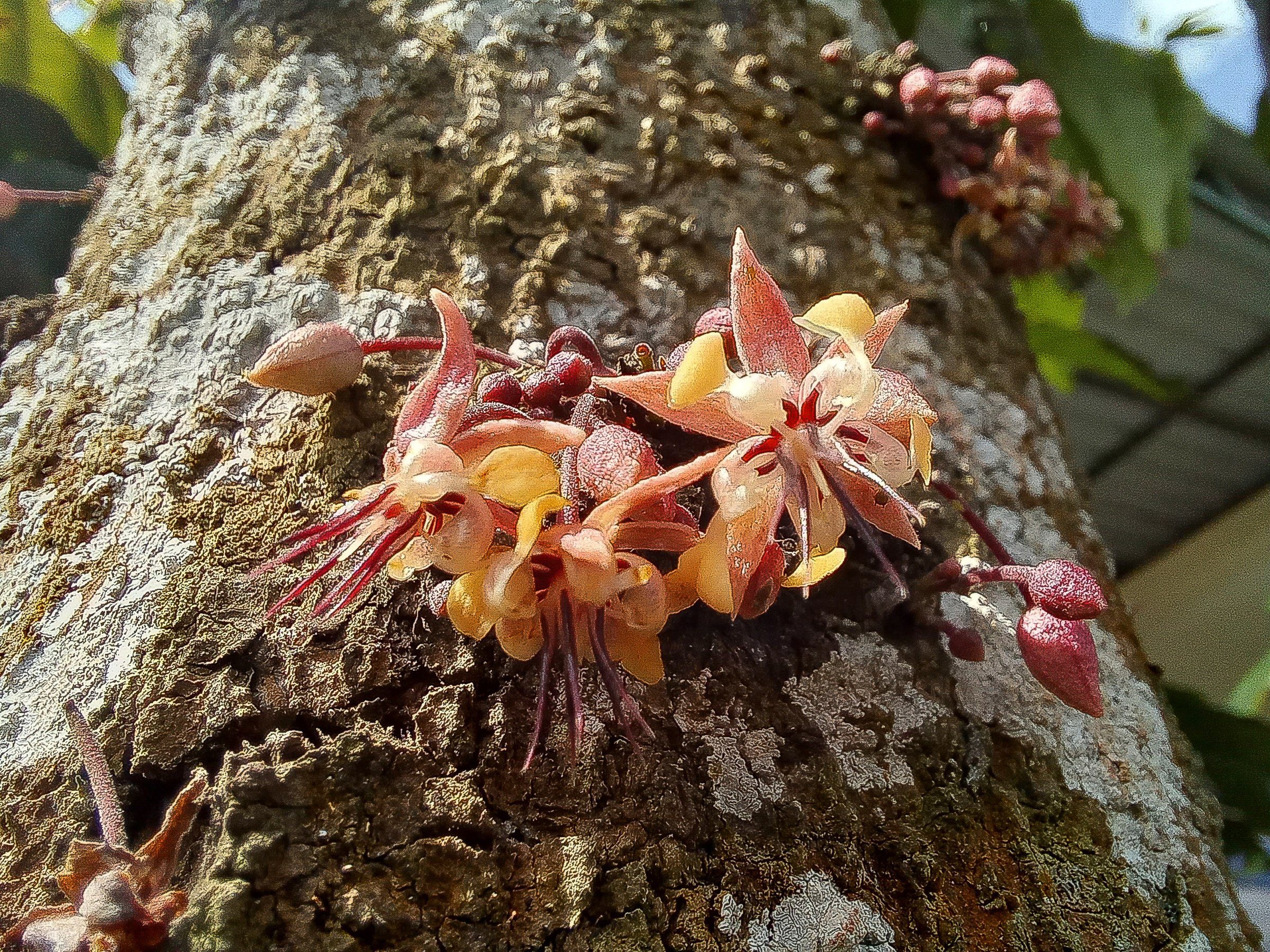
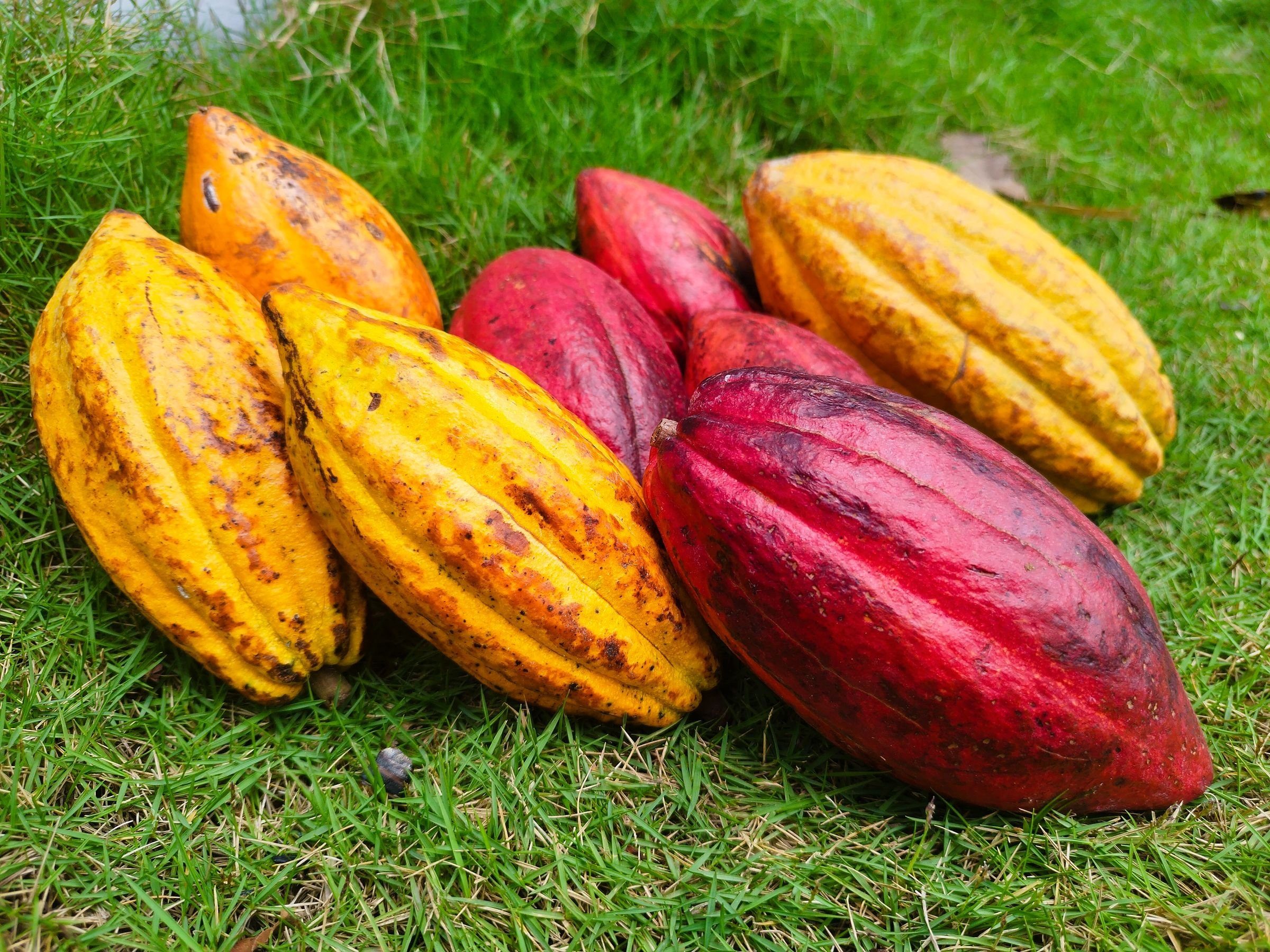
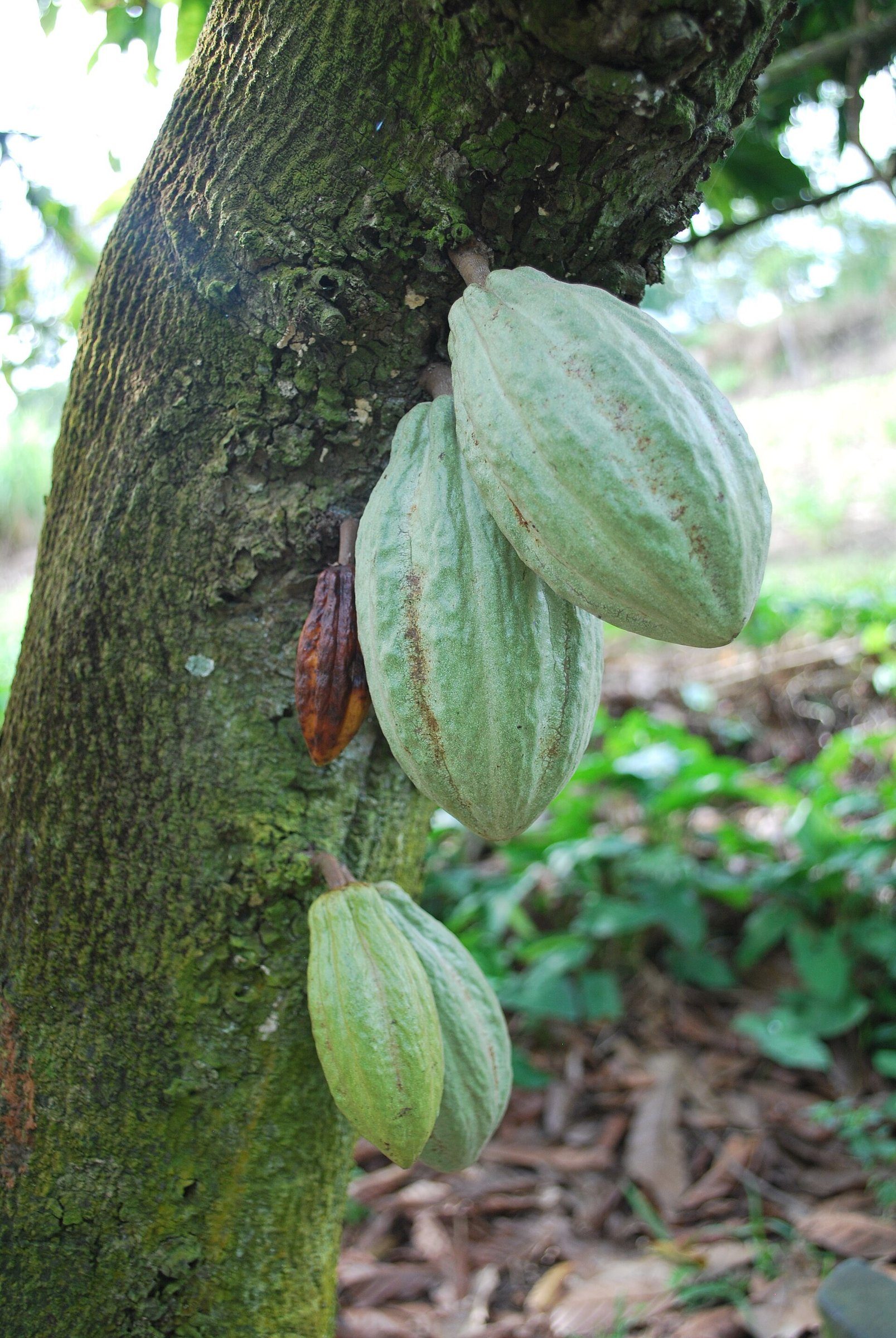
Pods grow straight off the trunk and are cut by hand.
5 to 6 monthsto ripen
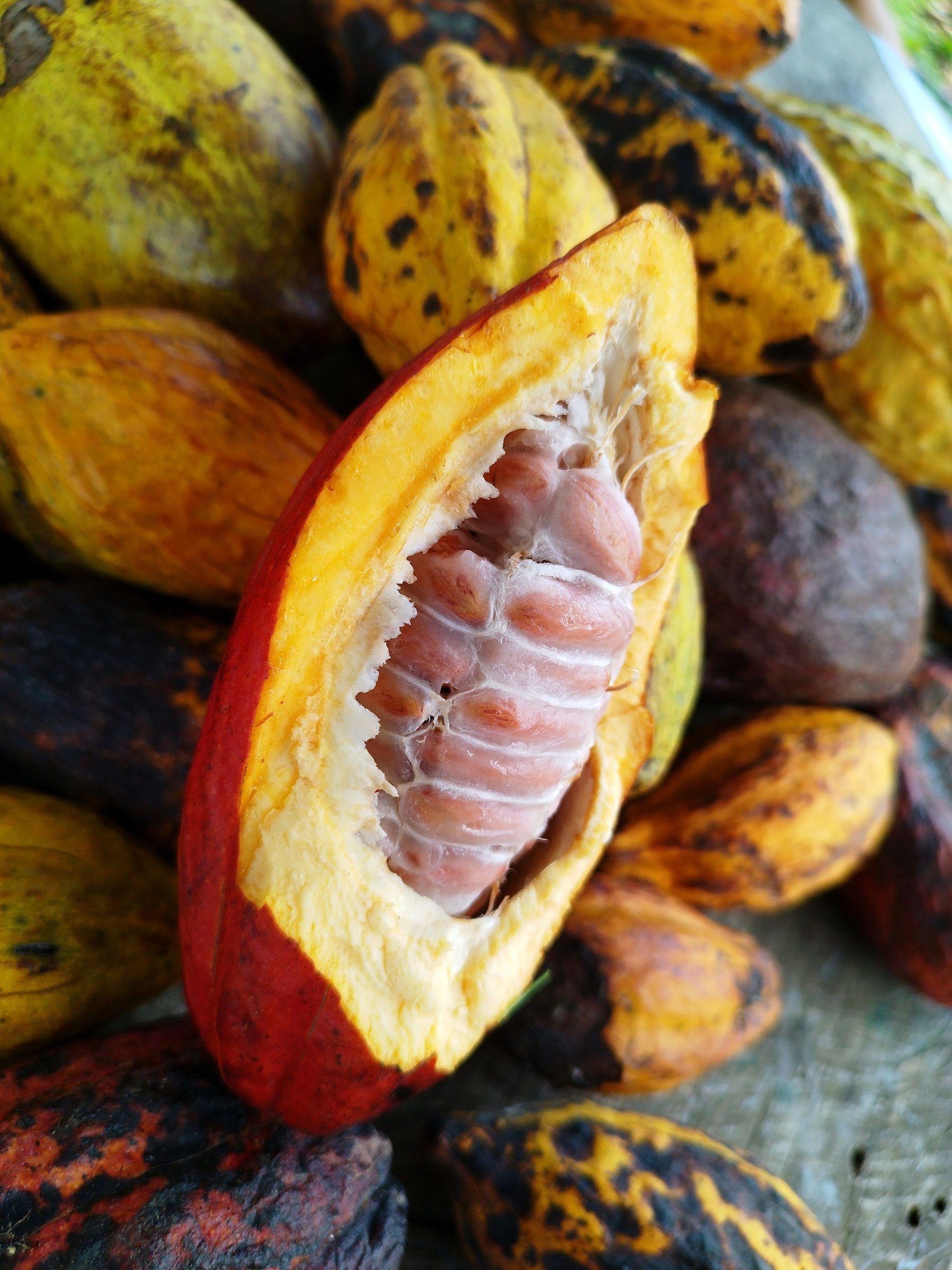
Opening the pod
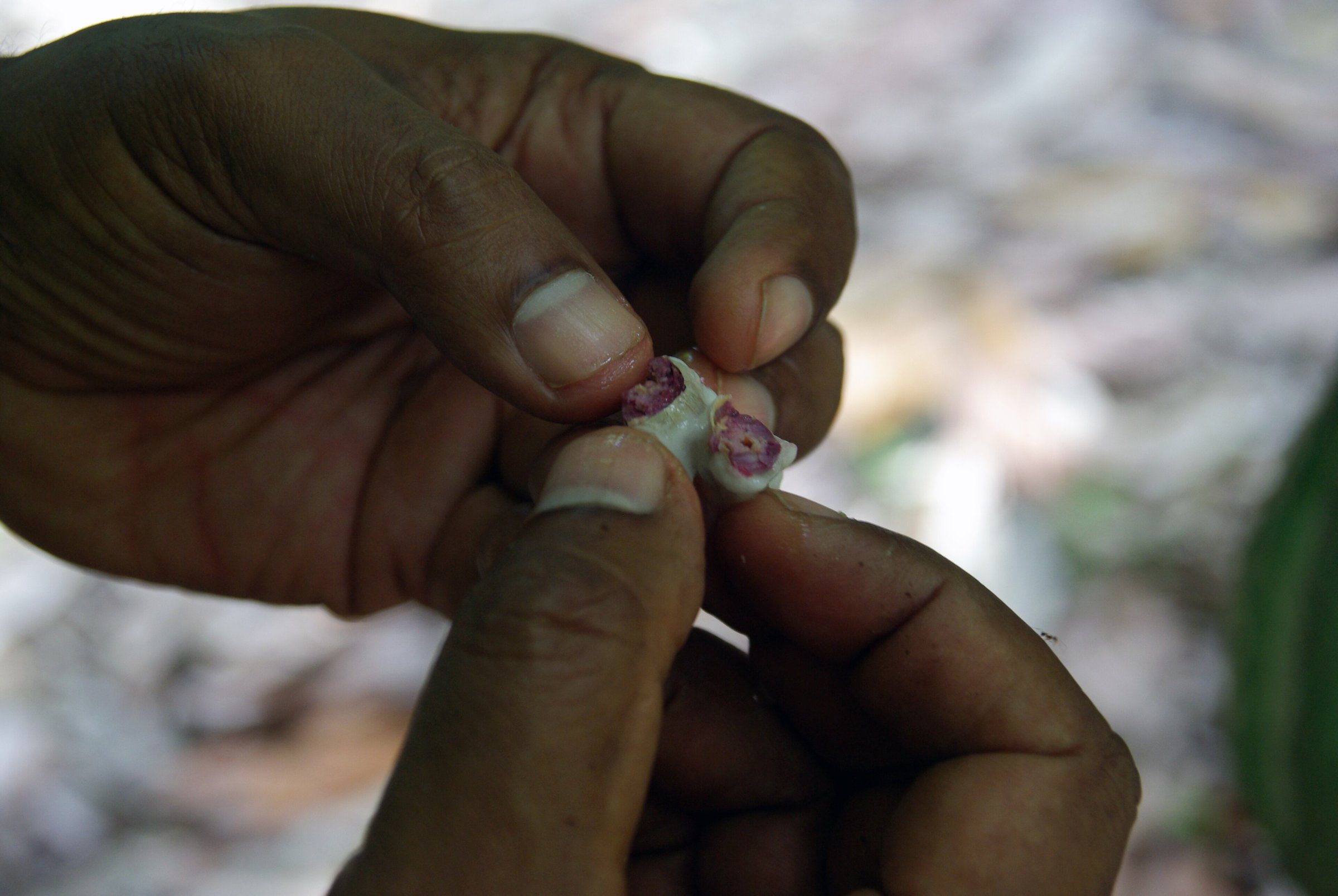
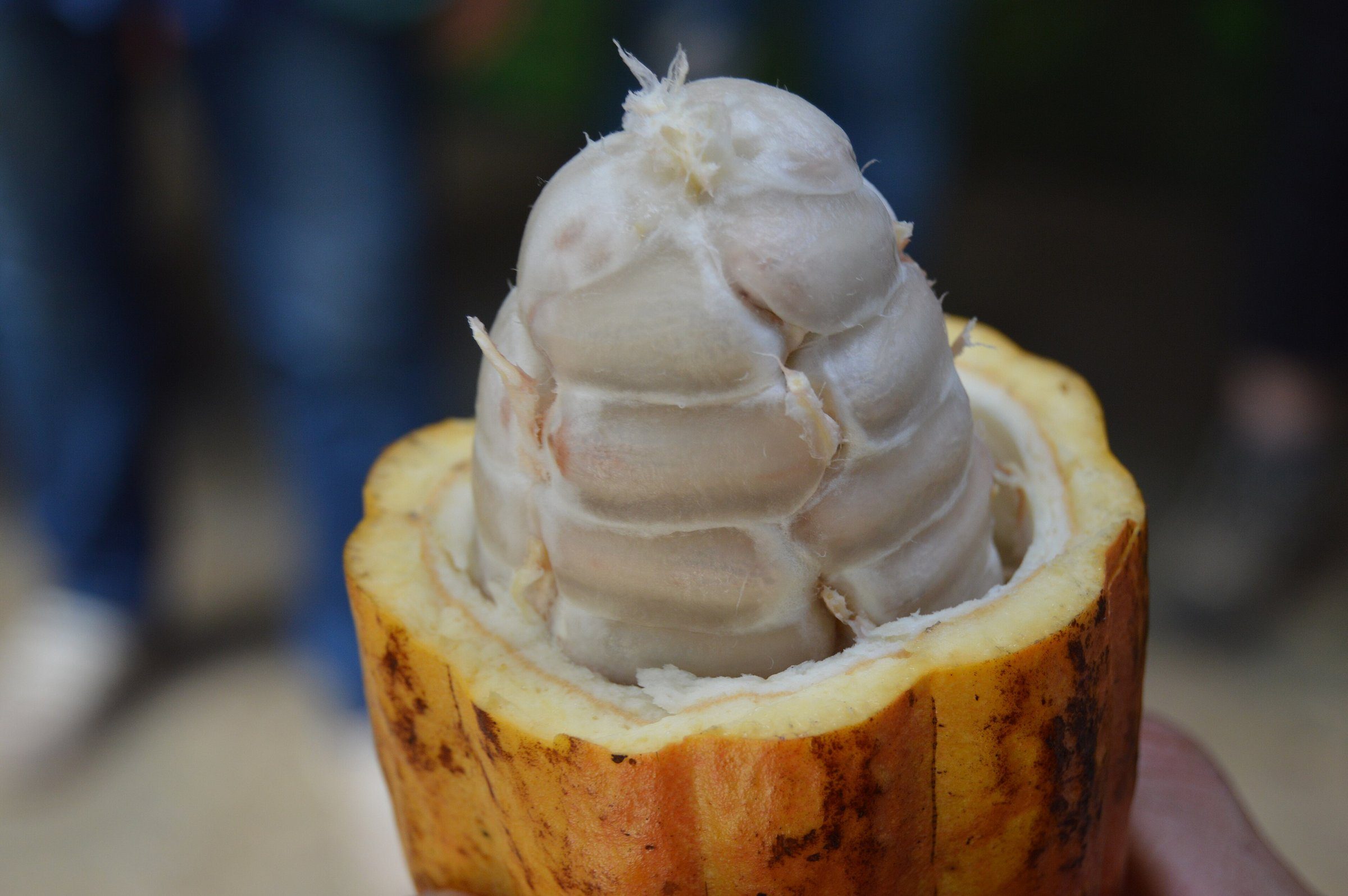
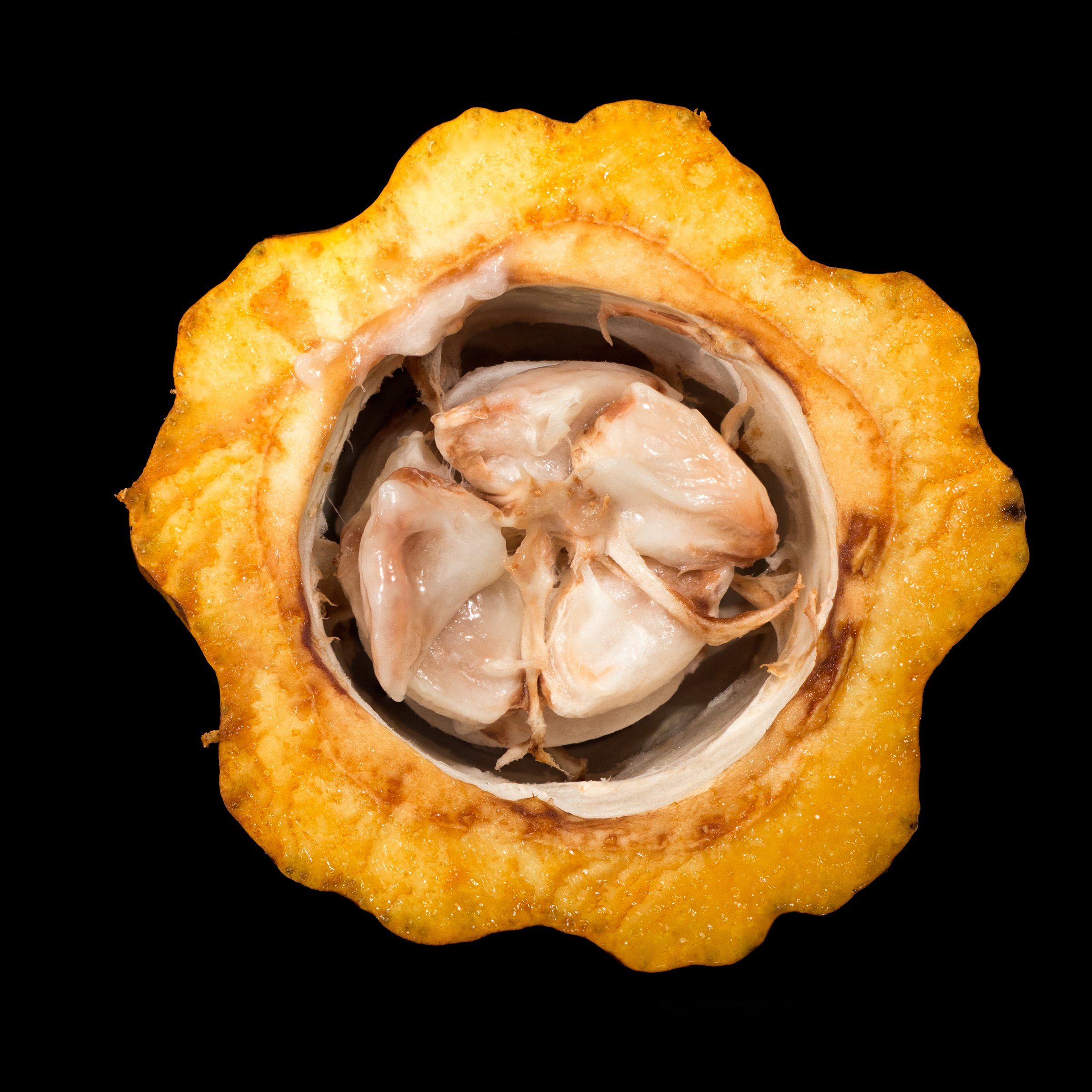
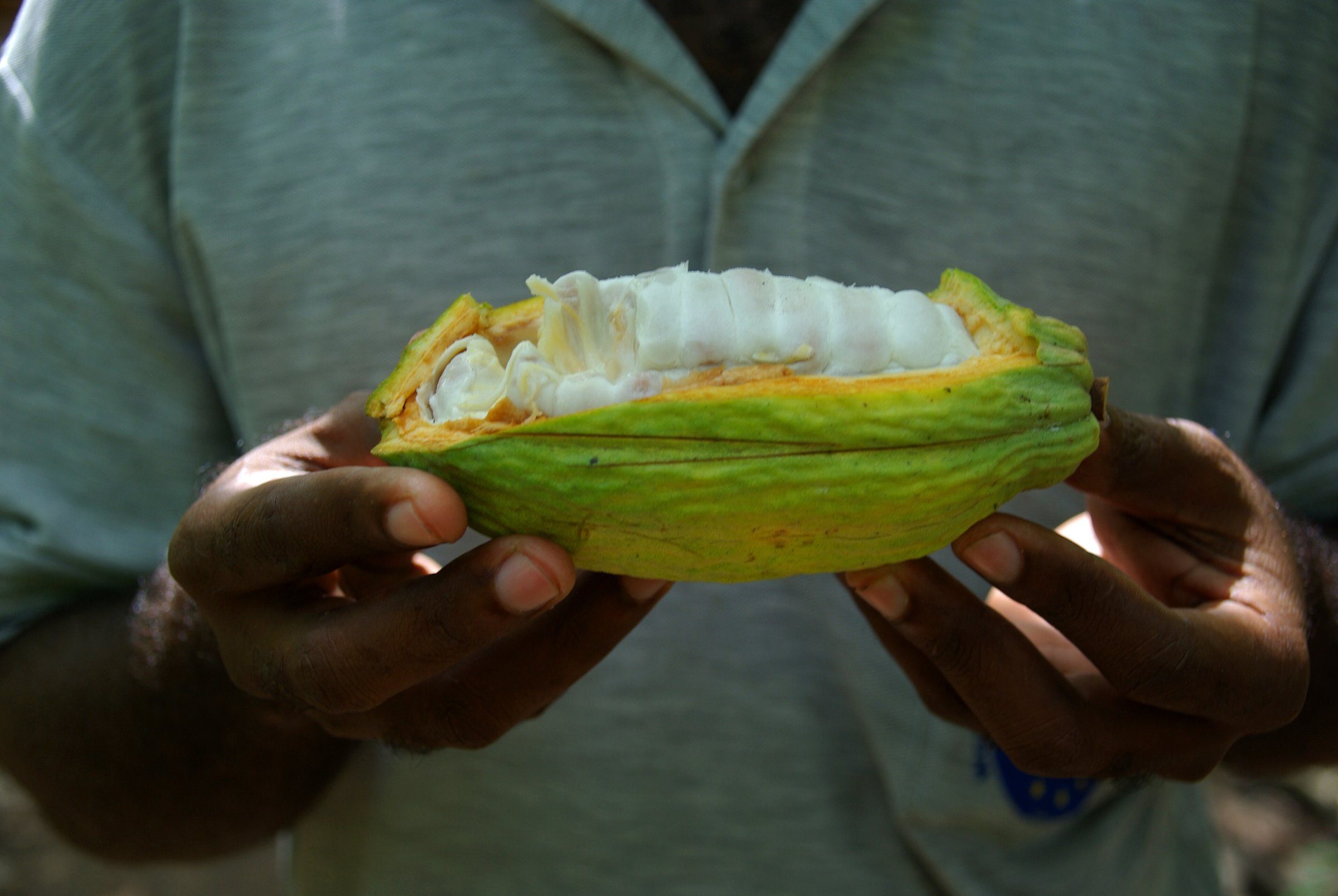
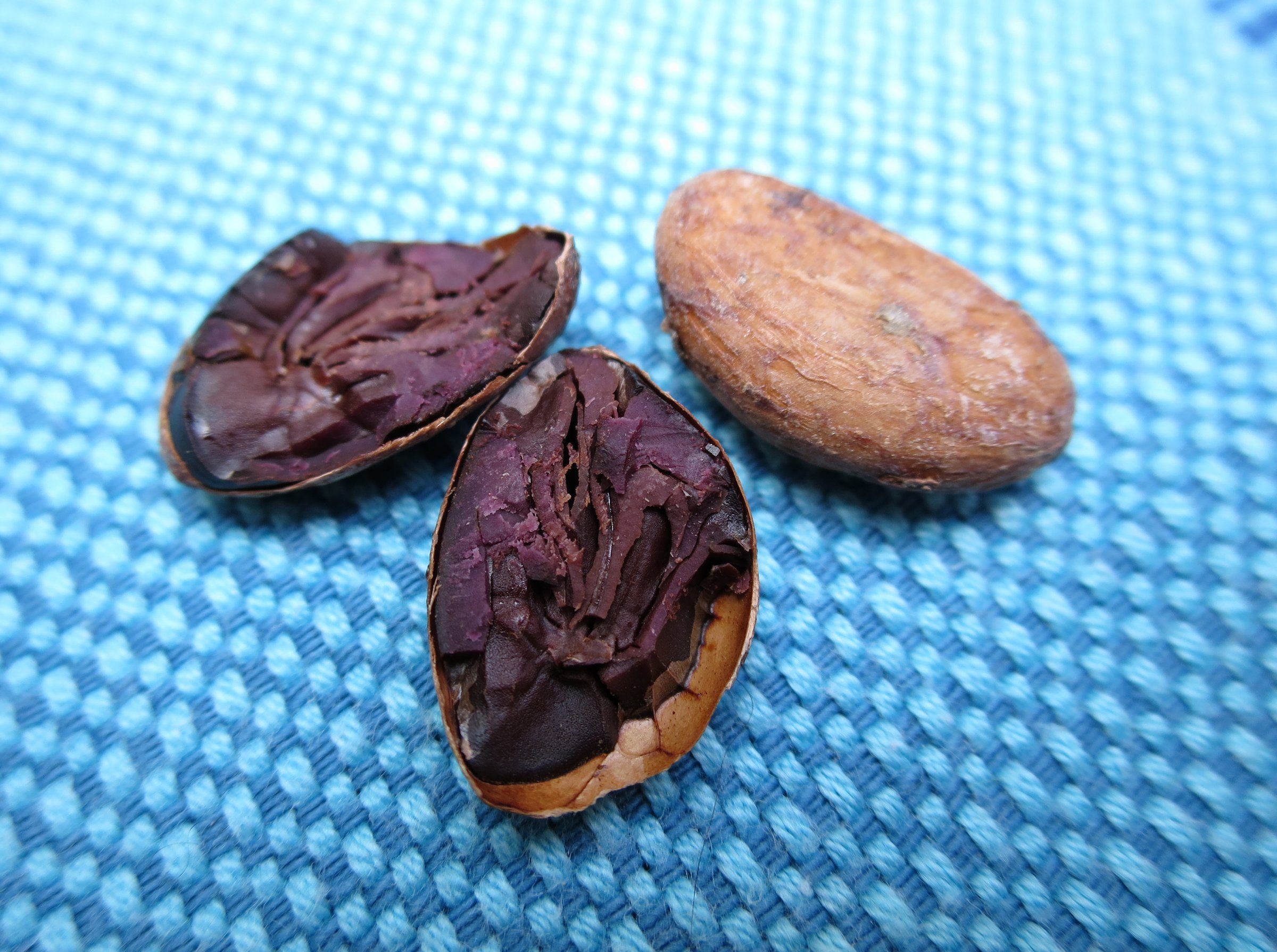
Inside: purple or ivory beans wrapped in sweet white pulp.
20 to 60beans per pod
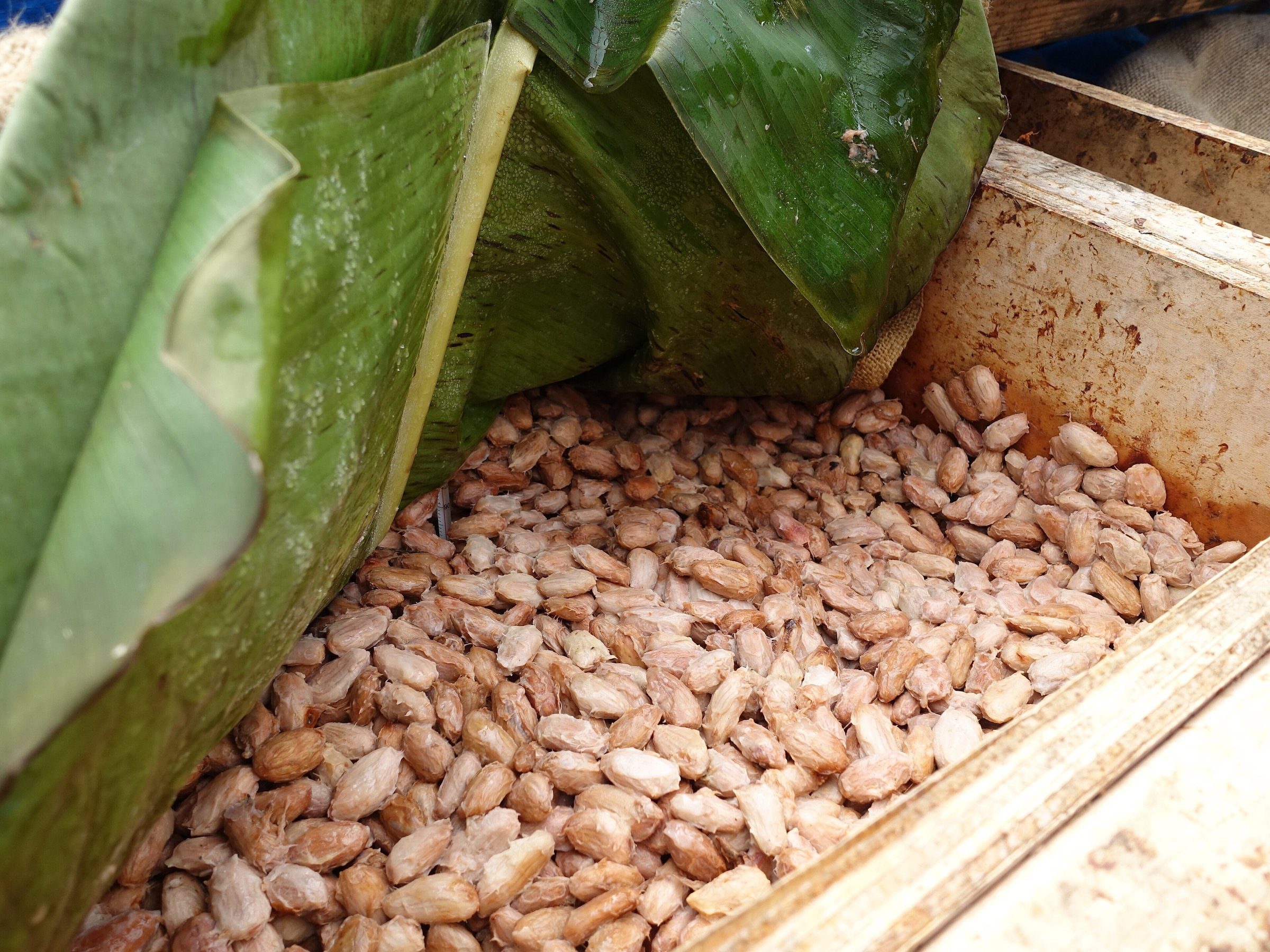
Fermentation
Beans and pulp rest in wooden boxes. Chocolate flavor starts here.
40 to 50 °Cinside the ferment
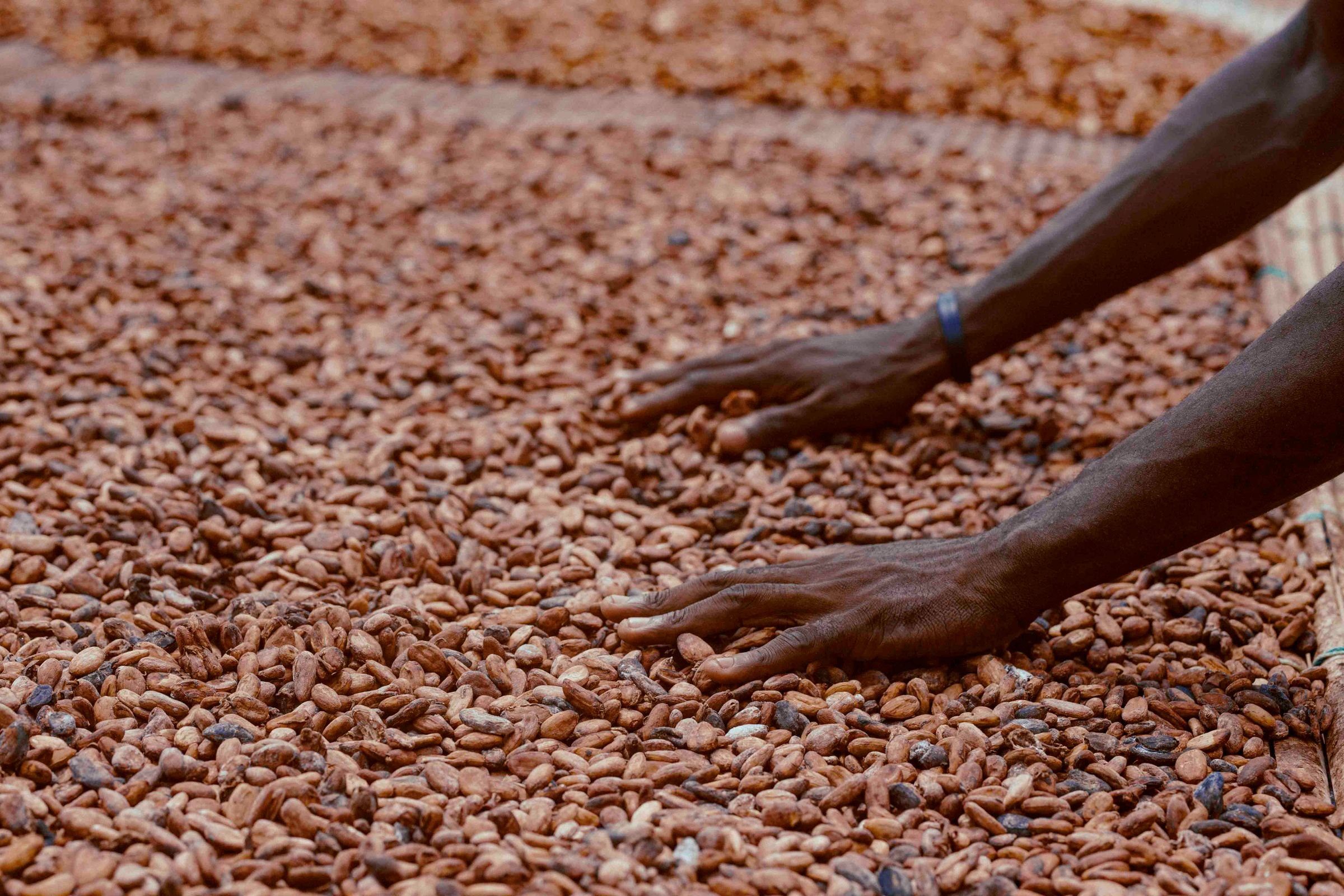
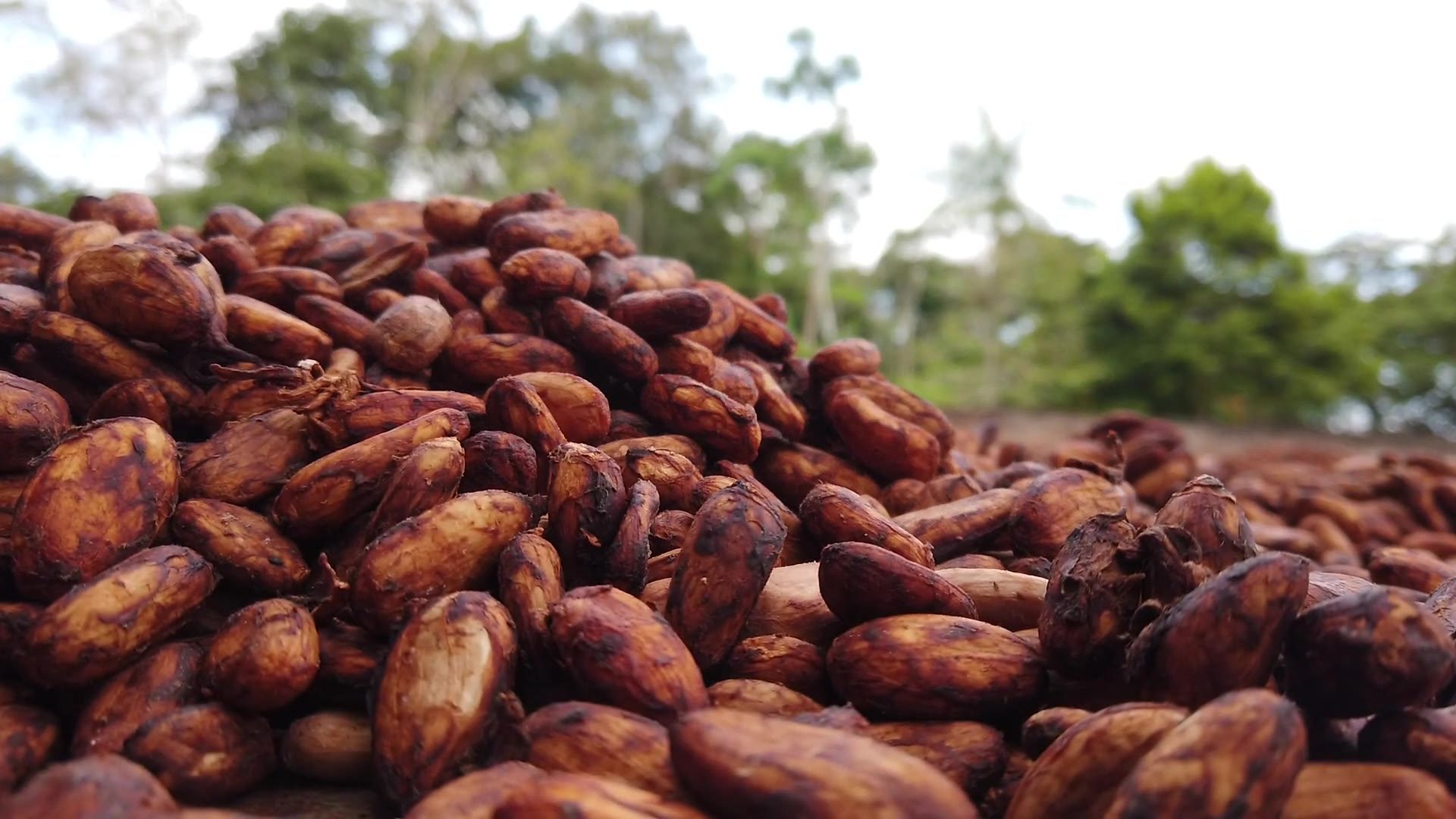
Drying
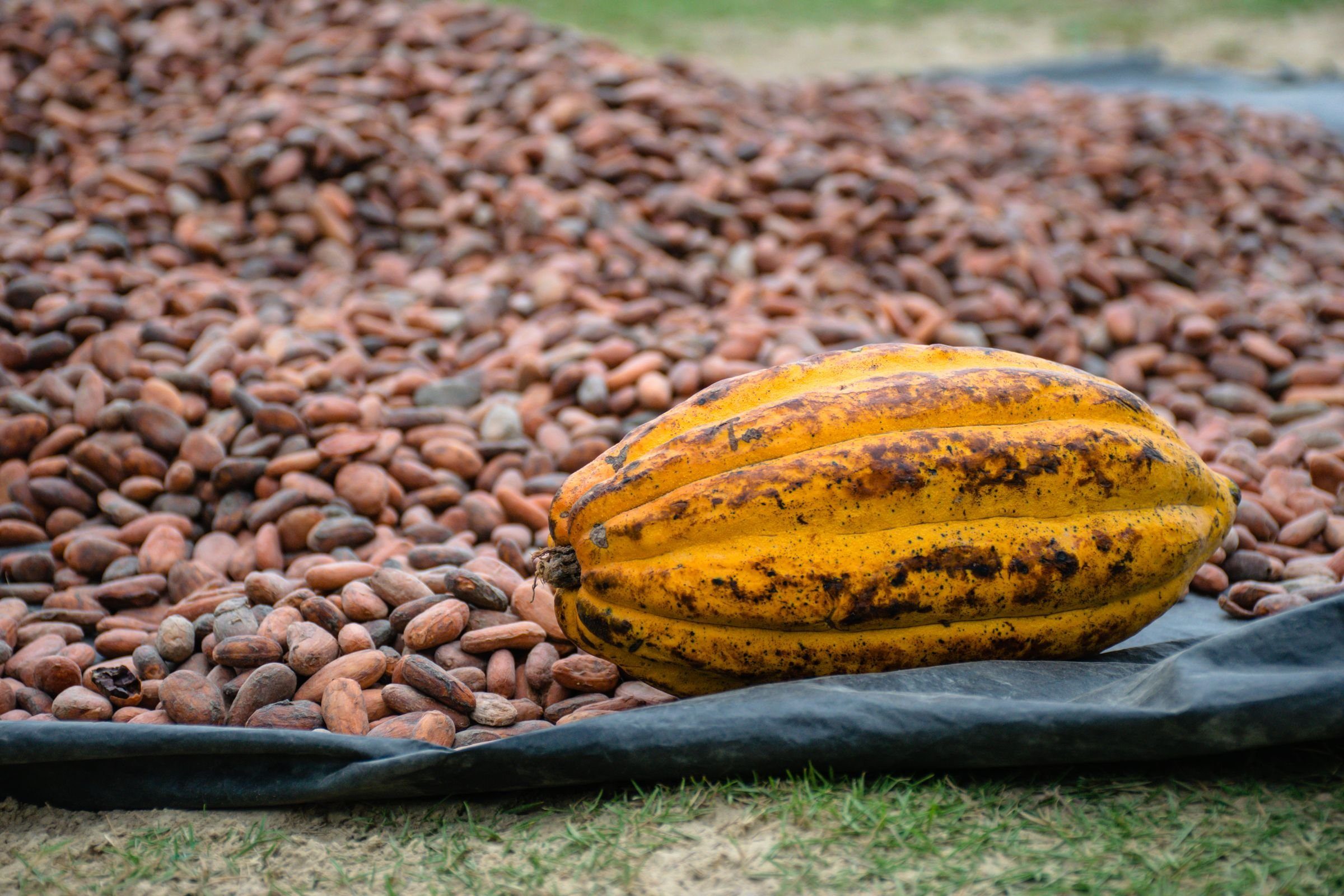
Spread in the sun and raked for a week or more.
60% to 7.5%moisture, wet to dry
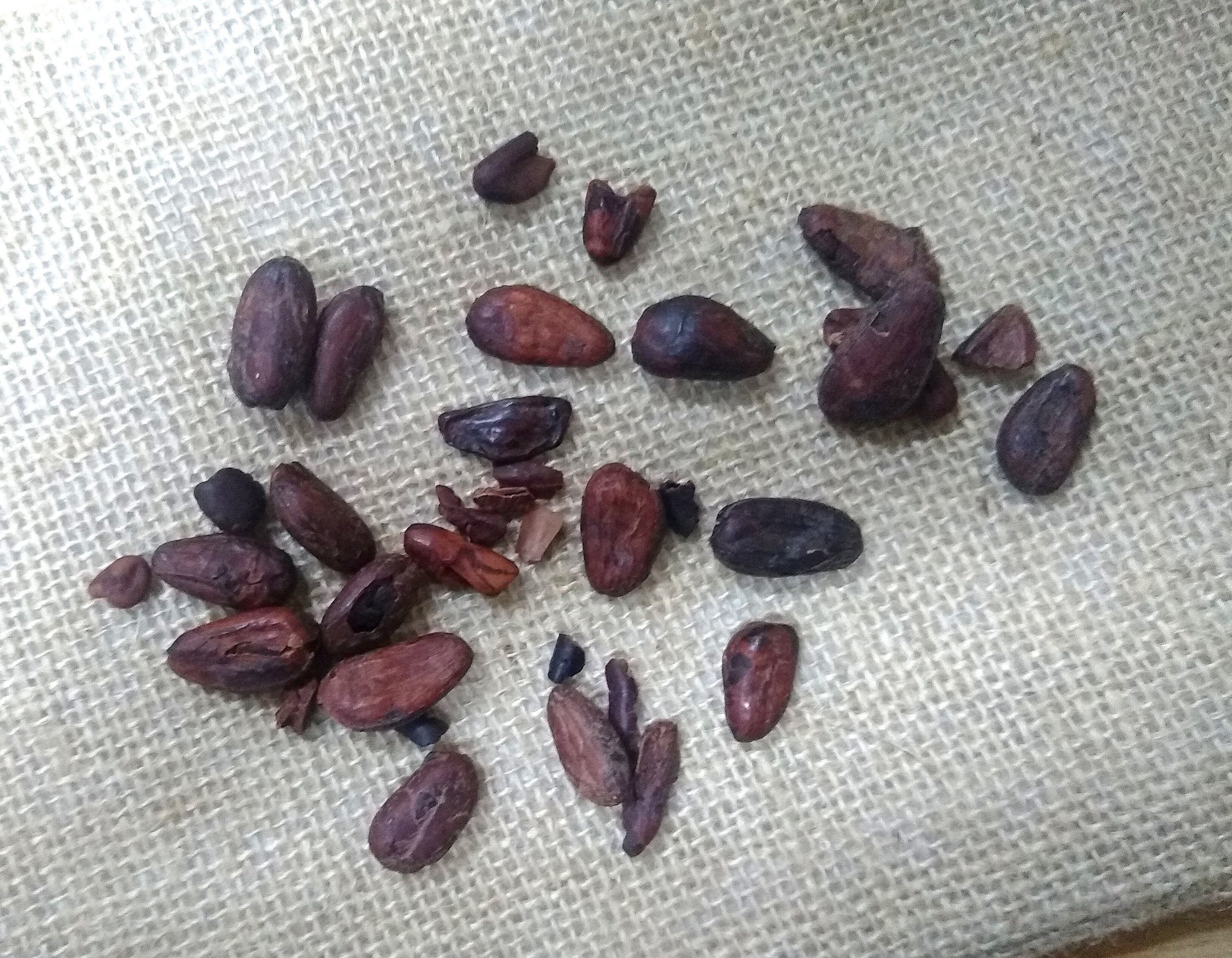
Roasting and winnowing
The maker roasts and cracks the beans. Air blows off the shells, leaving nibs.
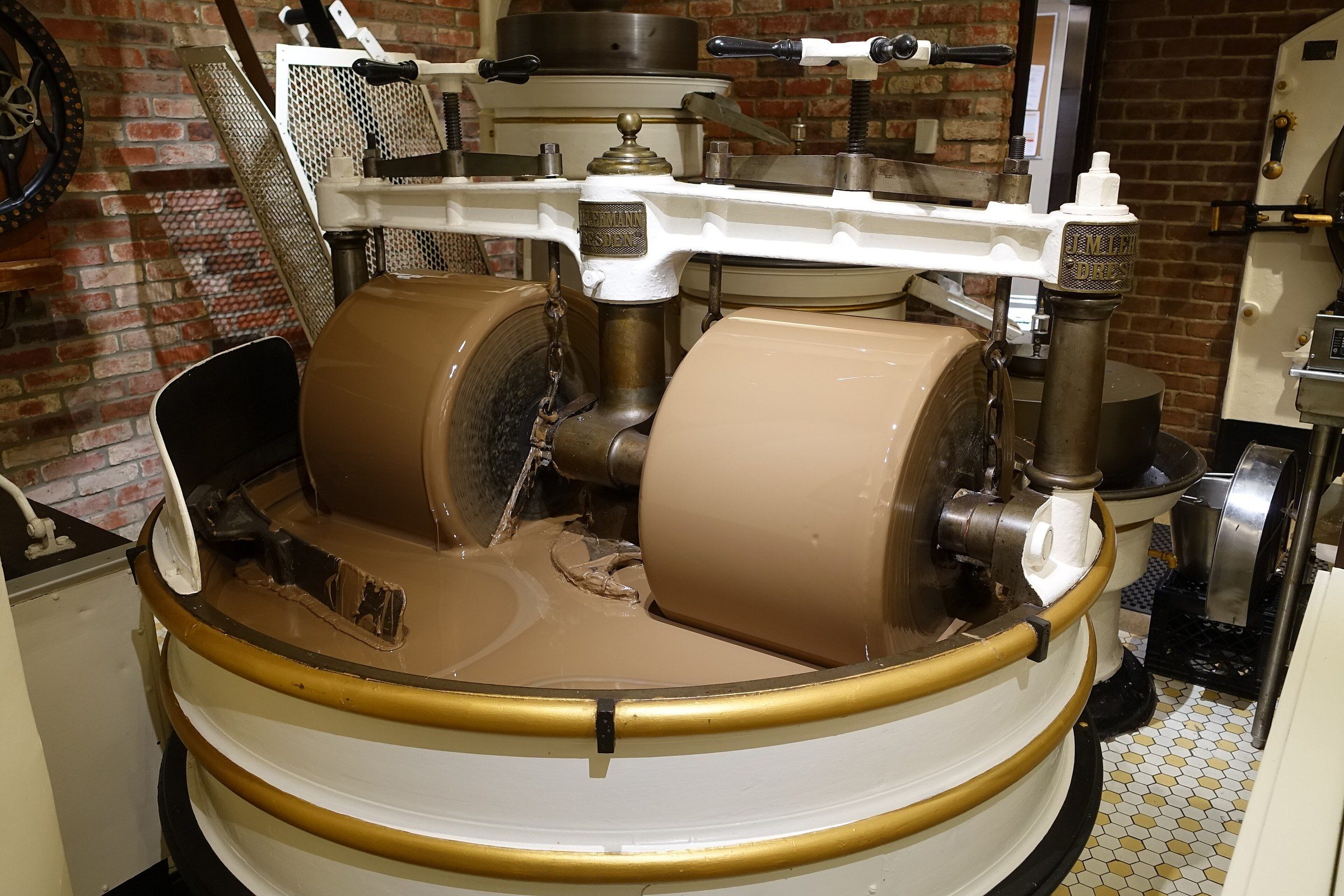
Grinding and conching
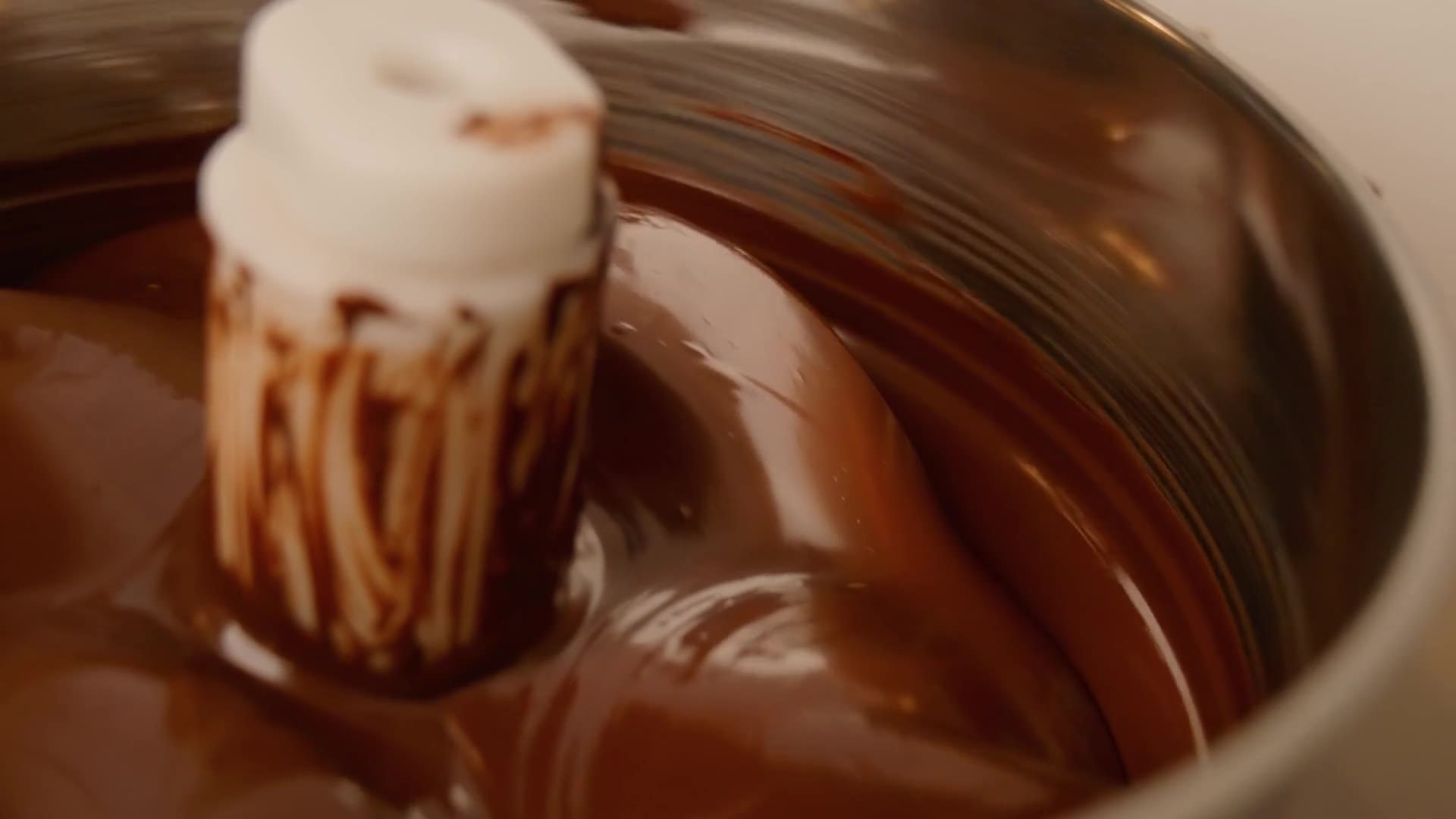
Stone grinders turn nibs and sugar into smooth liquid chocolate.
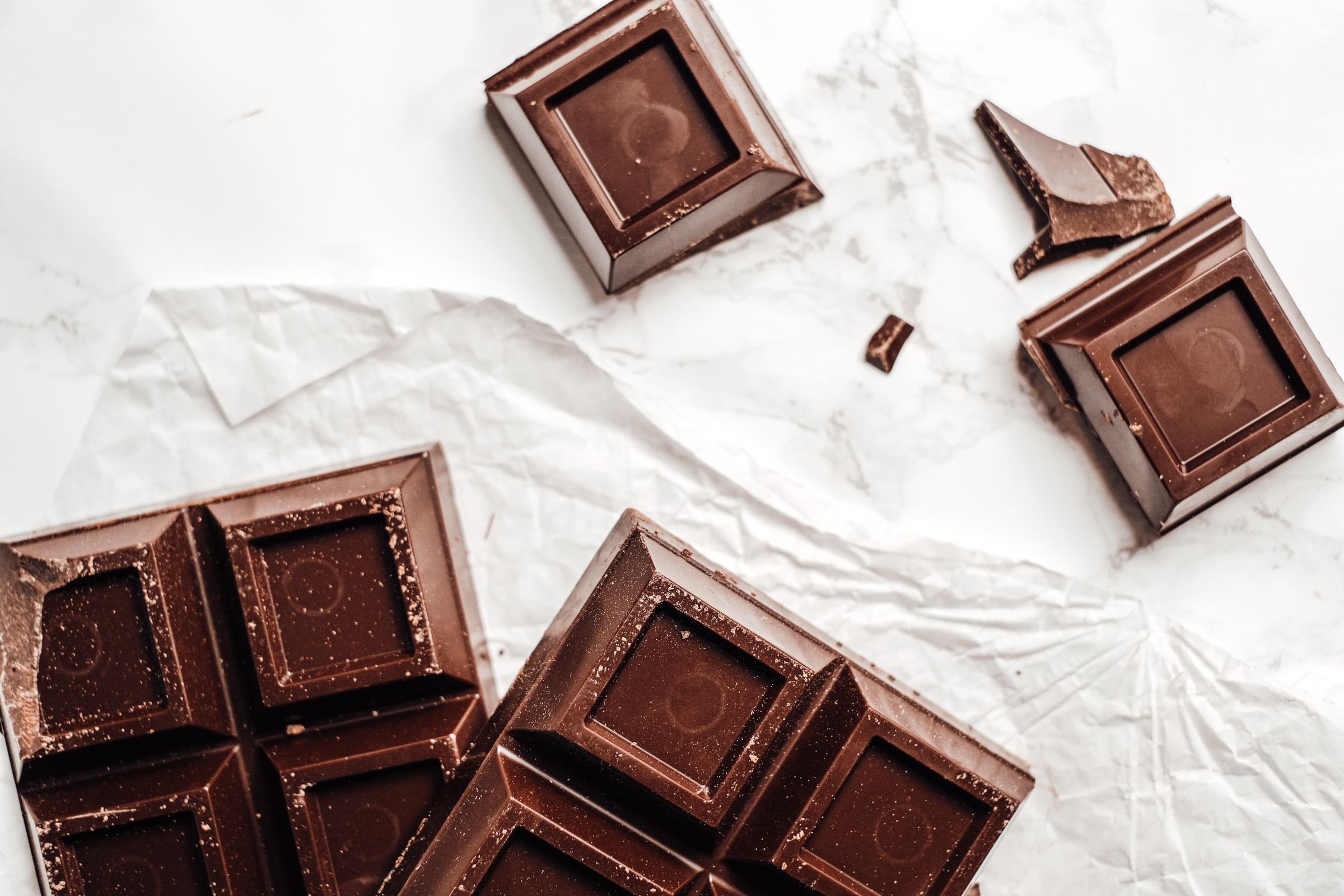
Tempering and molding
Melted, cooled and rewarmed so it sets with gloss and a clean snap.
About 31 °Cworking temperature
What to know before you taste
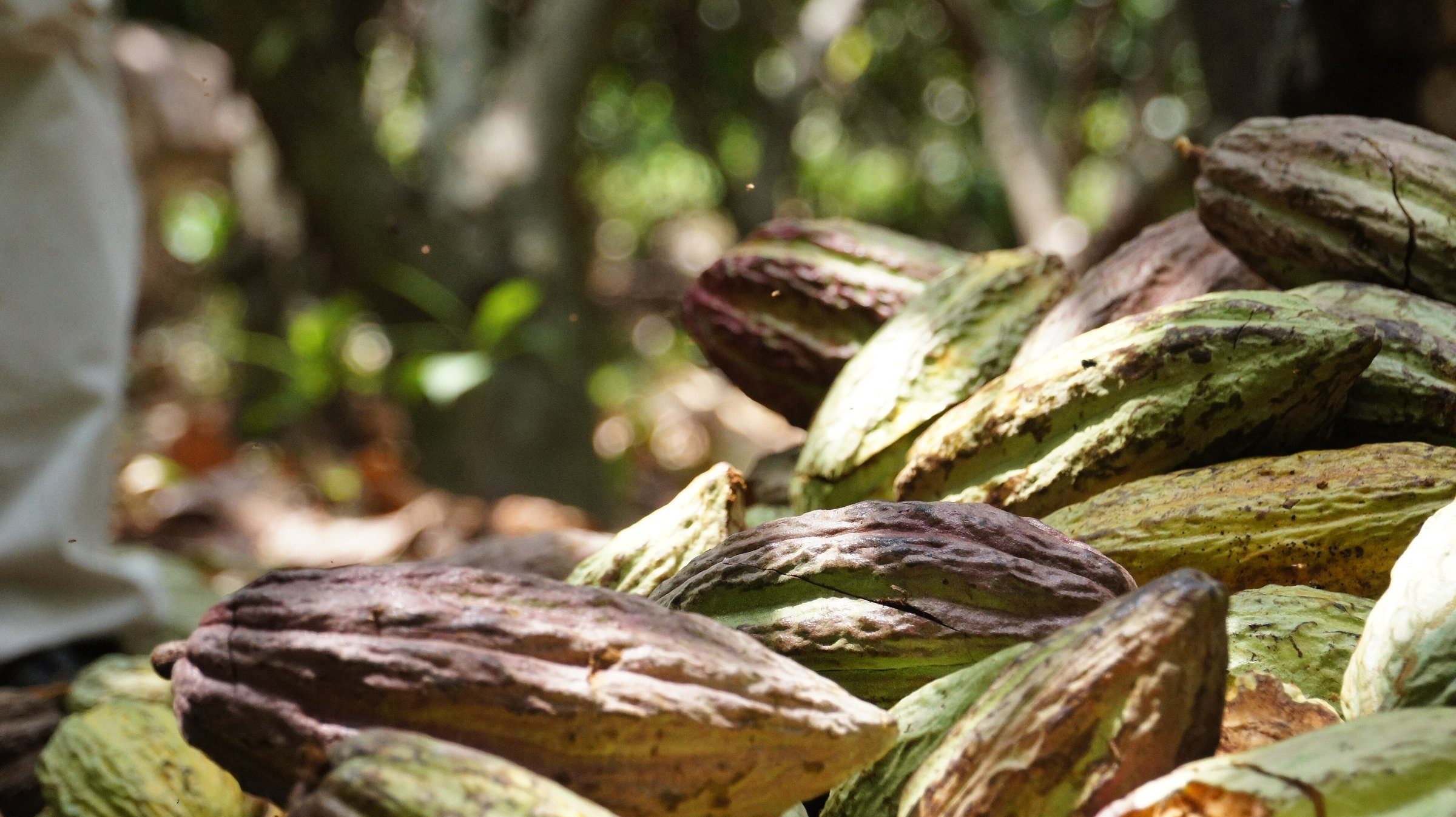
Criollo
The original cacao. Pale beans, gentle and nutty. Rare and fragile.
30 to 40seeds in a pod, usually
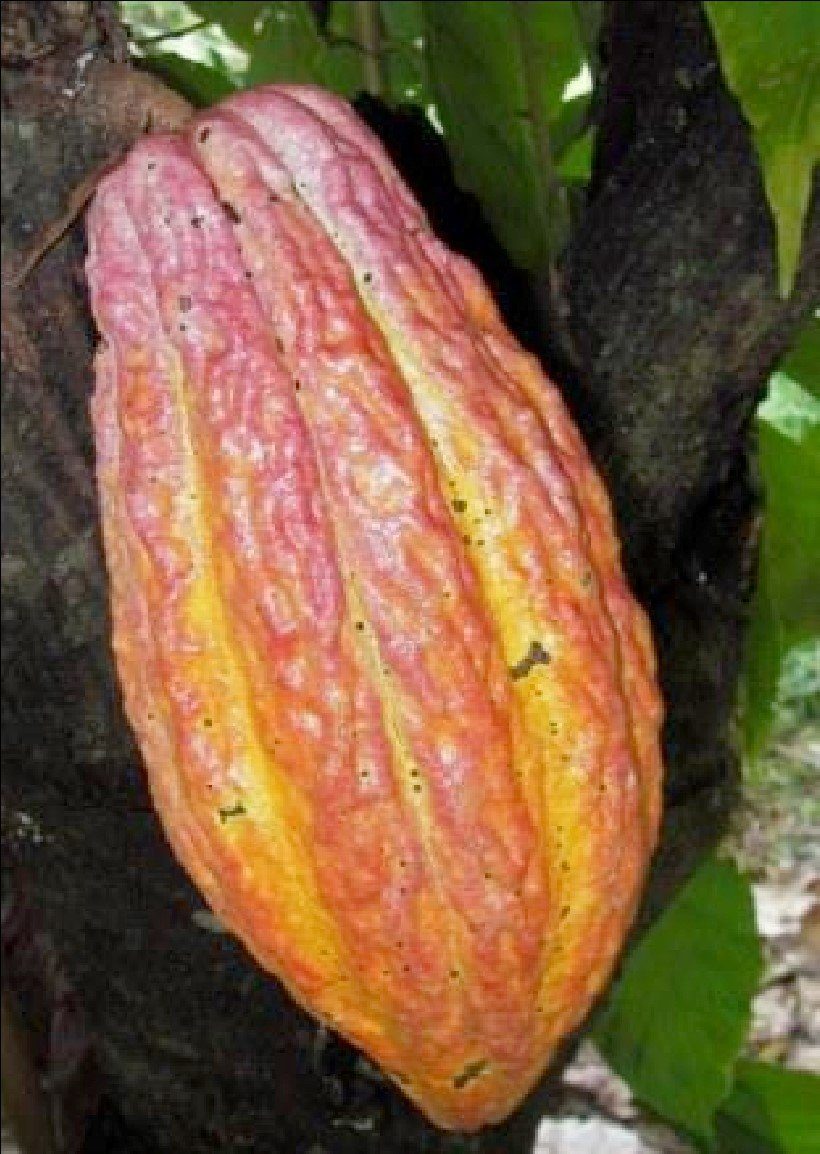
Trinitario
A Criollo and Forastero cross from Trinidad. Often fruity, like sour cherry.
1727the blight that led to it
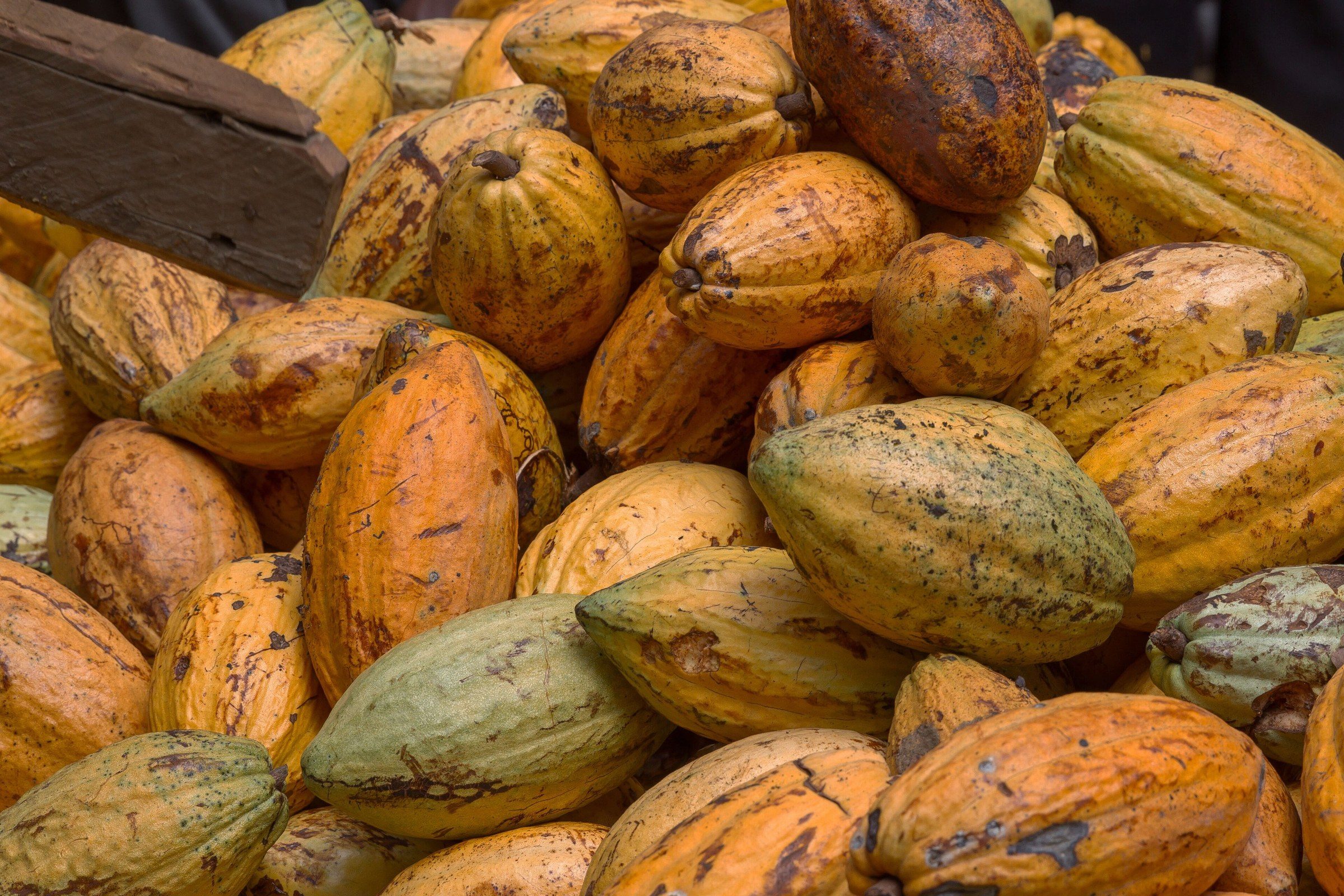
Forastero (Amelonado)
Round, smooth pods and dark beans. Bold, classic cocoa.
Mostof the world's cacao
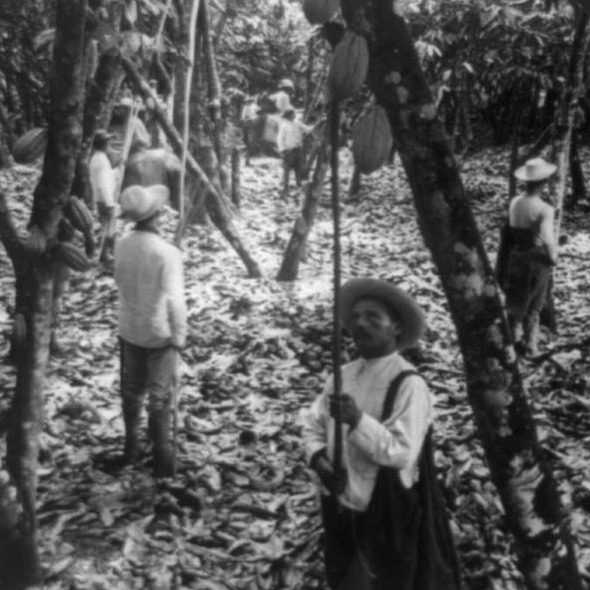
Nacional
Ecuador's floral cacao. A pure stand turned up in Peru.
2011found again in the Marañón
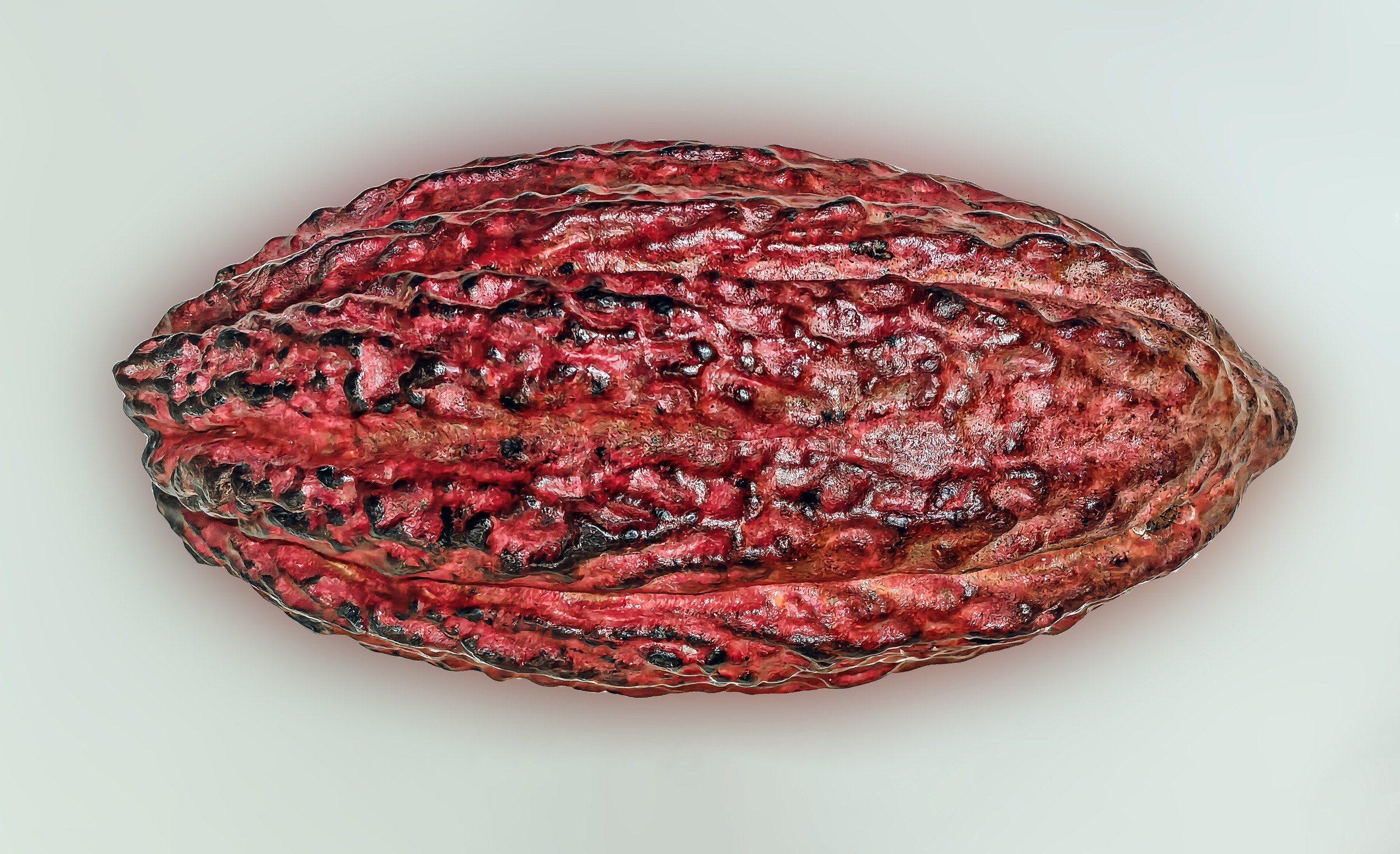
CCN-51
A high-yield clone bred in Ecuador. Farmers rely on it. Makers find it hard.
About 70%of Ecuador's cacao land (2018)
Fine flavor
The trade's name for beans with complex flavor. Mostly from Latin America.
Under 5%of world cacao

What we taste for
- 01Clean fermentation
- 02Origin character
- 03Gloss and snap
- 04Smooth melt
- 05Fruit, acid and bitter in balance
- 06Long finish
What we tend to like
Good dark chocolate, ethically made, with a lean toward small makers.
- We lean toward dark bars, with a short ingredient list.
- We like knowing where the cacao came from and how the people who grew it were treated.
- Mostly we want a bar a person would keep around, or give to a friend.
Journal
Every piece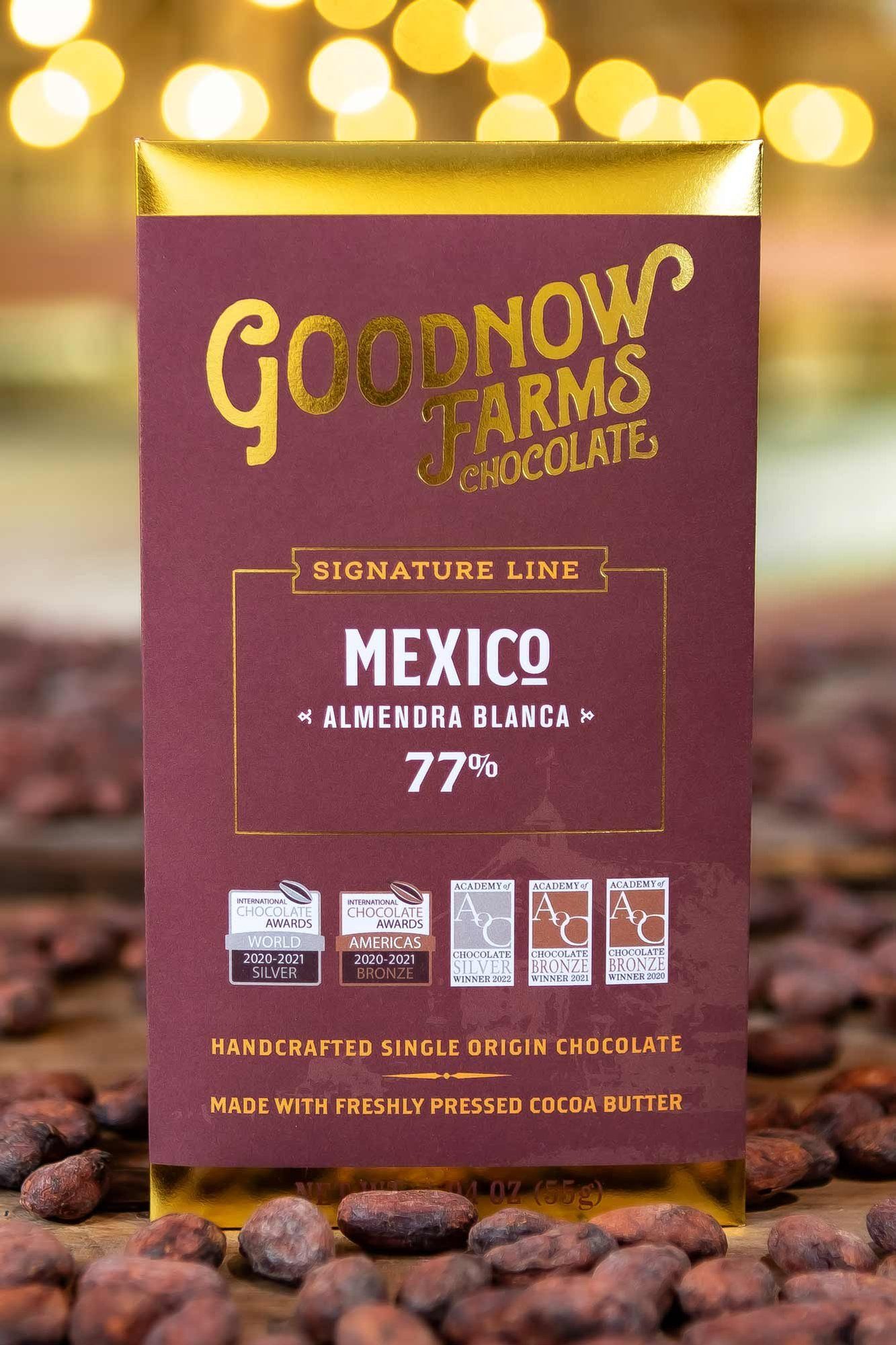
Goodnow Farms makes single-origin bars on a 225-year-old farm in Sudbury, Massachusetts
Tom and Monica of Goodnow Farms source beans directly in Latin America, press their own cocoa butter, and wrap every bar by hand. Their Almendra Blanca 77% comes from a single family farm in Tabasco, Mexico.
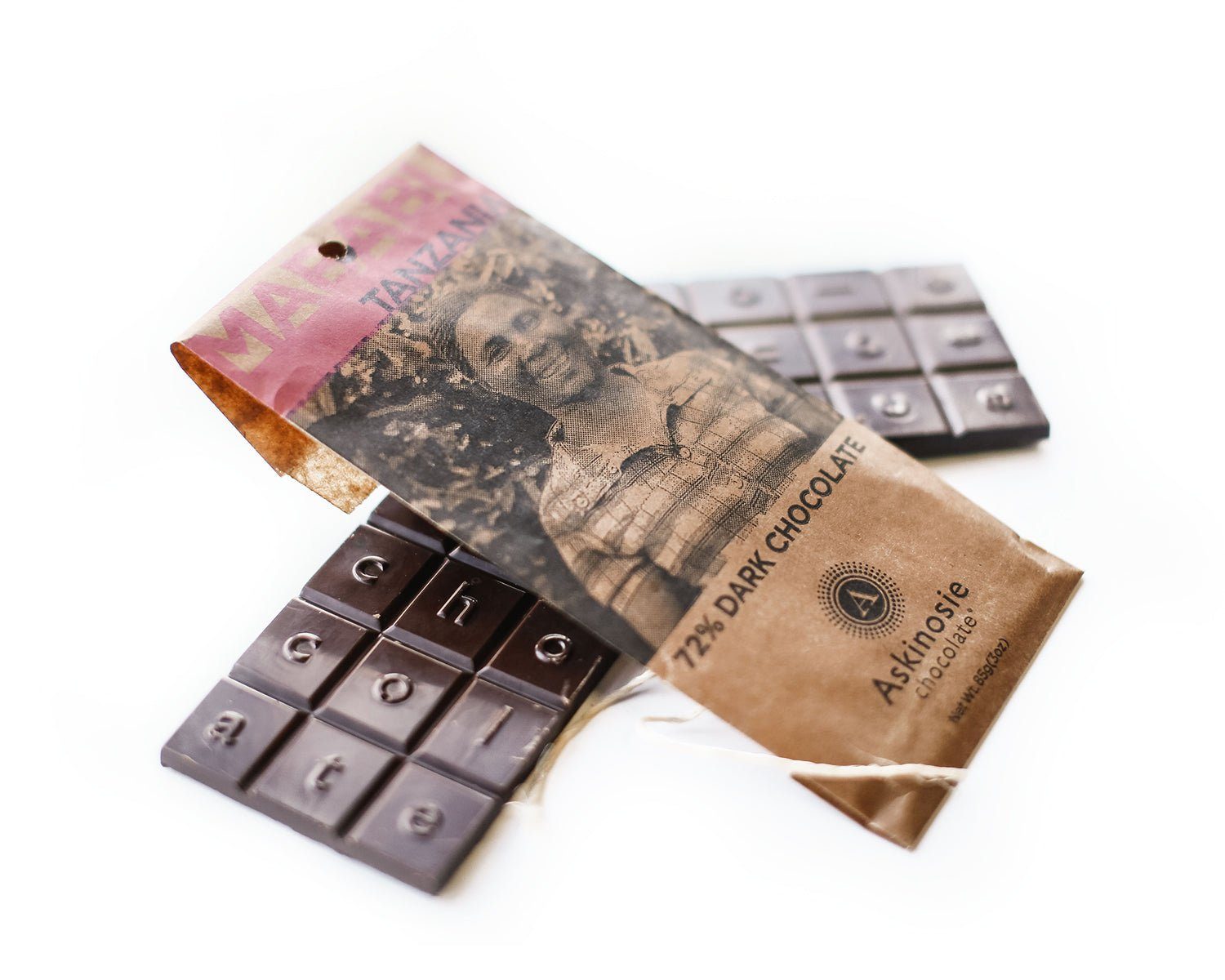
Askinosie Chocolate shares its profits with the farmers who grow its cacao
Shawn Askinosie left a law practice to make chocolate in Springfield, Missouri. His company imports its own beans, pays farmers directly, shares profits with them in cash, and publishes every contract price in a transparency report.
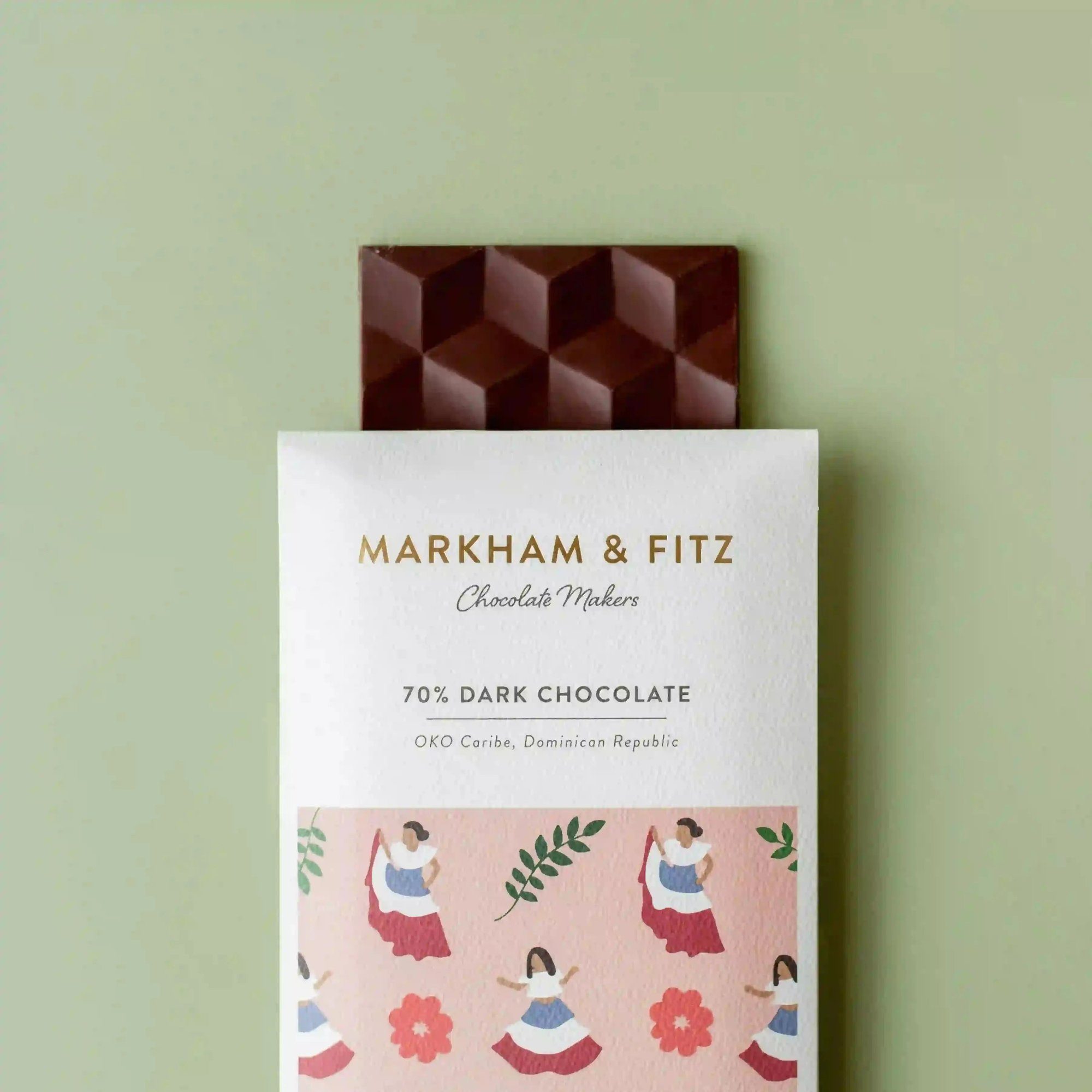
Markham & Fitz makes its 70% Dominican Republic bar with cacao from Öko-Caribe
Markham & Fitz is a woman-owned bean-to-bar maker in Bentonville, Arkansas. Its best-selling dark bar starts at Öko-Caribe in the Duarte province, where the owners know each of the 165 farmers who supply it.
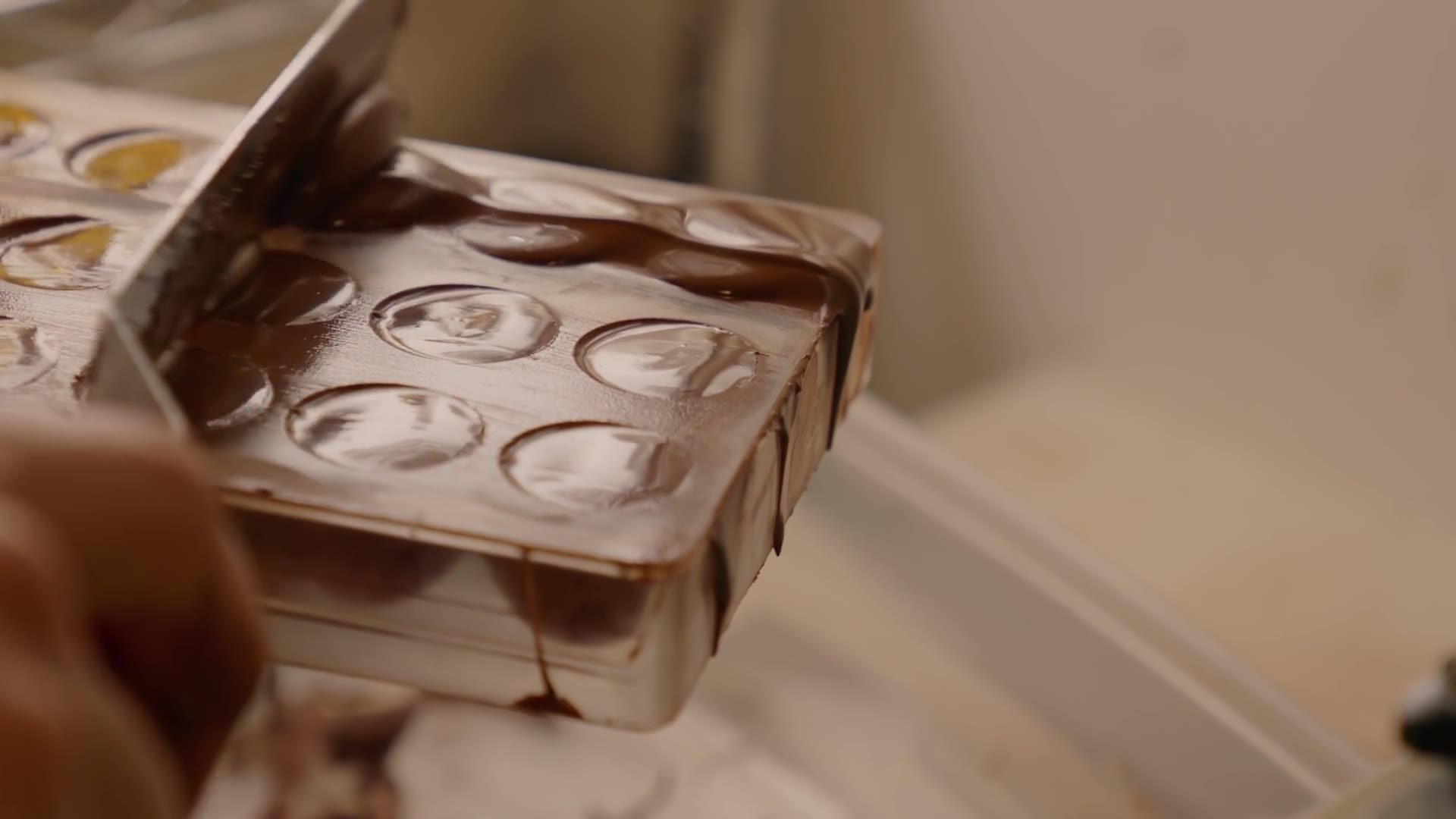
For chocolate makers
Send us a dark bar you are proud of. We taste it, score it and give it a page.
- 1Write to us
- 2Send a couple of bars
- 3We taste and score it
- 4Your page goes up, whatever the score
- A page for your bar, with photos and your story
- Links to your shop
- Written so Google and AI tools can read it
- Your story told at the tasting
SampleA couple of bars of one dark bar. Each breaks into enough squares for everyone.
Who we learn from
- Heirloom Cacao Preservation Fund (HCP)Designates heirloom cacao by tasting panel and genetics.↗
- Fine Chocolate Industry Association (FCIA)The trade body for fine chocolate makers.↗
- Institute for Cacao and Chocolate ResearchA quality method for beans, liquor and chocolate.↗
- International Cocoa Organization (ICCO)How cacao is grown and processed, and the fine flavor list.↗
- C-spotMark Christian's atlas of cacao types and origins.↗
- Chocolate AlchemyJohn Nanci's guide to making chocolate from the bean.↗
- The Chocolate LifeClay Gordon's writing on the craft chocolate trade.↗
- Seventy%A fine chocolate guide from the founders of the International Chocolate Awards.↗
Questions
What does bean-to-bar mean?
The maker starts from fermented, dried beans and does the rest: roasting, winnowing, grinding, conching, tempering and molding.
What is inside a cacao pod?
Twenty to sixty beans in white, sweet-tart pulp. Fresh beans are purple or ivory and taste bitter.
Does a higher percentage mean a better bar?
No. It is how much of the bar is cacao. It tells you how sweet it is, not how well it was made.
Why did my chocolate turn white?
Usually fat bloom. Warmth melts the cocoa butter and it sets as a pale film. It is still fine to eat.
Do you sell chocolate?
No. Every bar page links to the maker, so you buy straight from them.
How can a chocolate maker take part?
Write to us from the page for makers. A couple of bars is enough, and every bar gets its own page.
What is Cacao Club?
Cacao Club is a dark chocolate tasting club in Washington, D.C. Jacob presents each bar, who made it and what is special about it, and the room tastes and scores it. Every bar gets its own page here, win or lose.
When is the next tasting?
The next date is not set. Ask to join and you will hear when it is.
How big is it?
About a hundred people are on our invite list.

Want a seat at the next tasting?
Tell us who you are and what dark chocolate you have liked lately.