Origin changes flavor more than almost anything else on a wrapper. Madagascar and Tanzania give bright red fruit and acidity, the Dominican Republic and Belize lean toward dried fruit and warm spice, Colombia and Ecuador can be floral or nutty, and West Africa gives the deep, classic cocoa most people grew up on.
Genetics, soil and above all fermentation make the difference, so two bars from one country can still taste very different.
Why origin matters
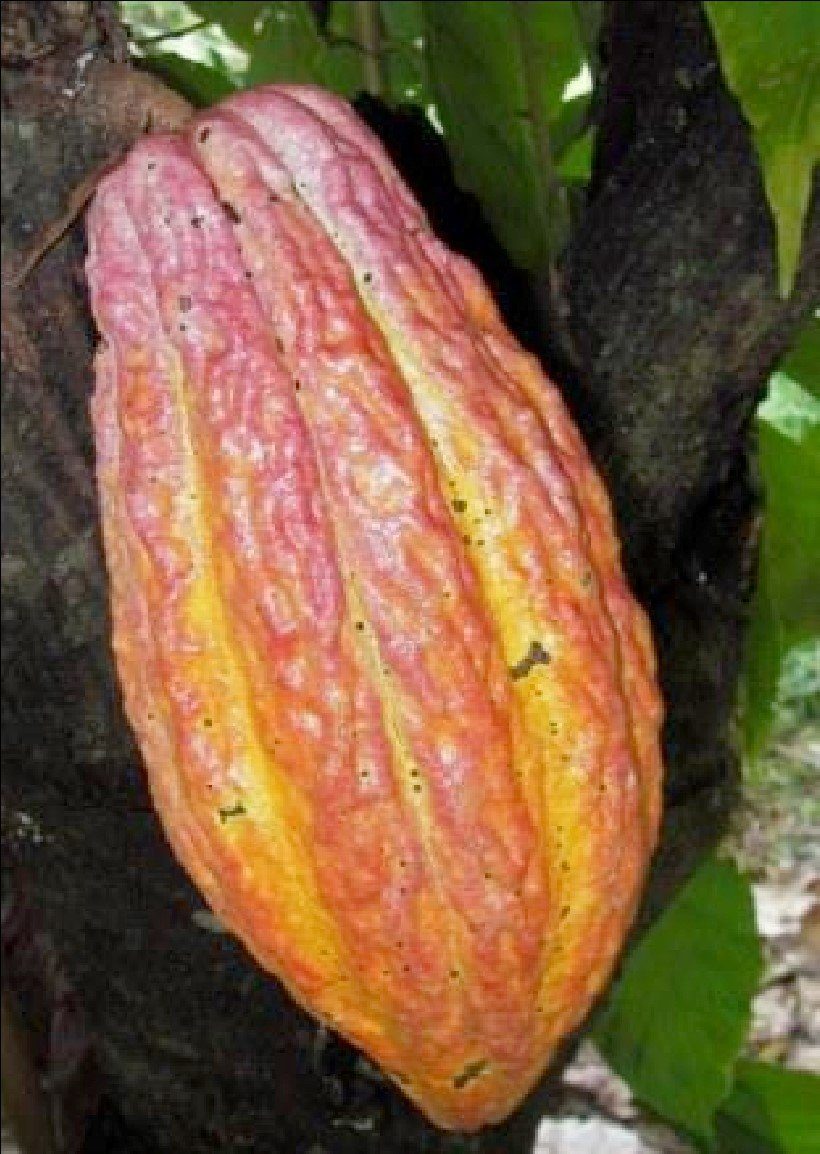
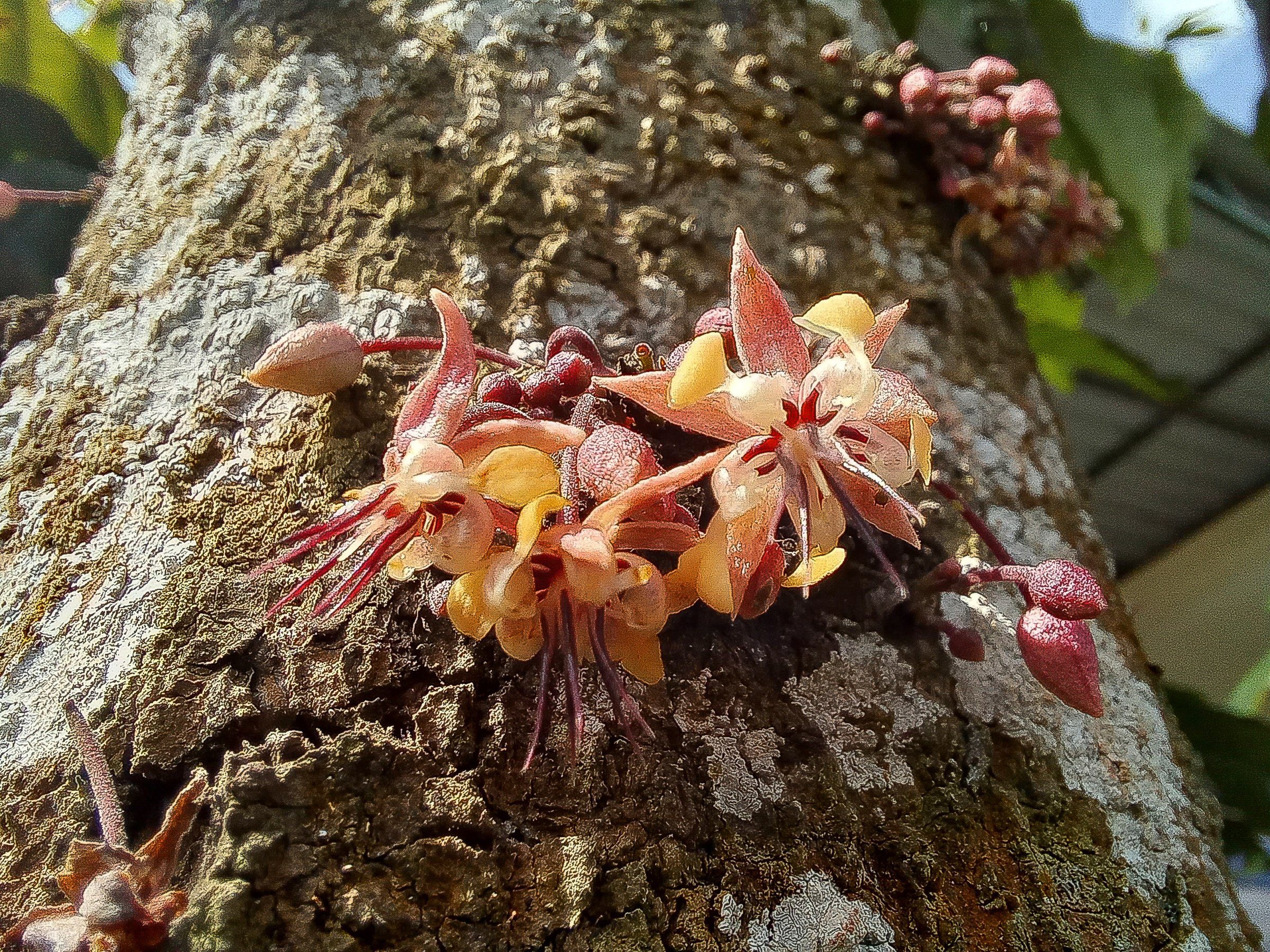
Cacao grows only in the warm, wet tropics, within about 20 degrees of the equator. The tree, the climate and the people who ferment the beans all leave a mark on the bar, which is why the country on a wrapper tells you so much before you open it. Most of the world's crop, about 70 percent, comes from West Africa, mostly from smallholders, many with less than a hectare in cocoa. That cacao is mostly Amelonado and is the backbone of everyday chocolate.
The ICCO keeps a list of countries recognized for fine or flavor cacao, last revised in April 2024. It rates each by the share of its exports that count as fine. Latin America supplies about 90 percent of fine cacao exports.
For each place we name a real bar and its maker's notes, so you can taste along.
| Country | Share of exports rated fine or flavor (ICCO Annex C) |
|---|---|
| Madagascar | 100% |
| Trinidad and Tobago | 100% |
| Costa Rica | 100% |
| Colombia | 80% |
| Ecuador | 75% |
| Peru | 75% |
| Dominican Republic | 60% |
Madagascar
Most of Madagascar's fine cacao grows in the Sambirano Valley in the island's northwest. It is the origin people remember after one square: raspberry, cherry, citrus, sometimes a lift that tastes almost like lemonade.
Bertil Akesson's estates supply many makers. Dick Taylor's 72% Madagascar comes from the Akesson plantation and runs to molasses, orange and toast. Ritual's 75% comes from Bejofo Estate, an HCP heirloom origin, with citrus, raspberry and roasted peanut.
Good for: anyone who thinks dark chocolate is just bitter.
Tanzania
Kokoa Kamili is based in the village of Mbingu in the Kilombero Valley. It buys wet beans straight from farmers at one published price. It ferments them for six days in a three-tier cascade of boxes and sun-dries them for five to seven days. Its beans show up in bars from a long list of craft makers.
Dandelion's 70% from Kokoa Kamili lists guava, Turkish yogurt and fudge. Raaka's 100% uses the same beans unroasted. Further southwest, Askinosie works with a farmer group in Mababu, in the Kyela district, where the cacao is Trinitario and the 72% bar tastes of strawberry, blueberry and graham.
The Dominican Republic
The ICCO rates 60 percent of the Dominican Republic's cacao exports as fine. Much of it is fermented at central fermentaries such as Öko-Caribe near San Francisco de Macorís.
Dandelion's Zorzal Comunitario 70% comes from farms around Reserva Zorzal, a bird sanctuary and cacao farm, with notes of chocolate cake, yogurt and tamarind. Fruition's Dominican Nacional 77% is made from Nacional cacao planted in the Dominican Republic in the 1970s, and tastes of walnut, tobacco and fudge.
Belize and Guatemala
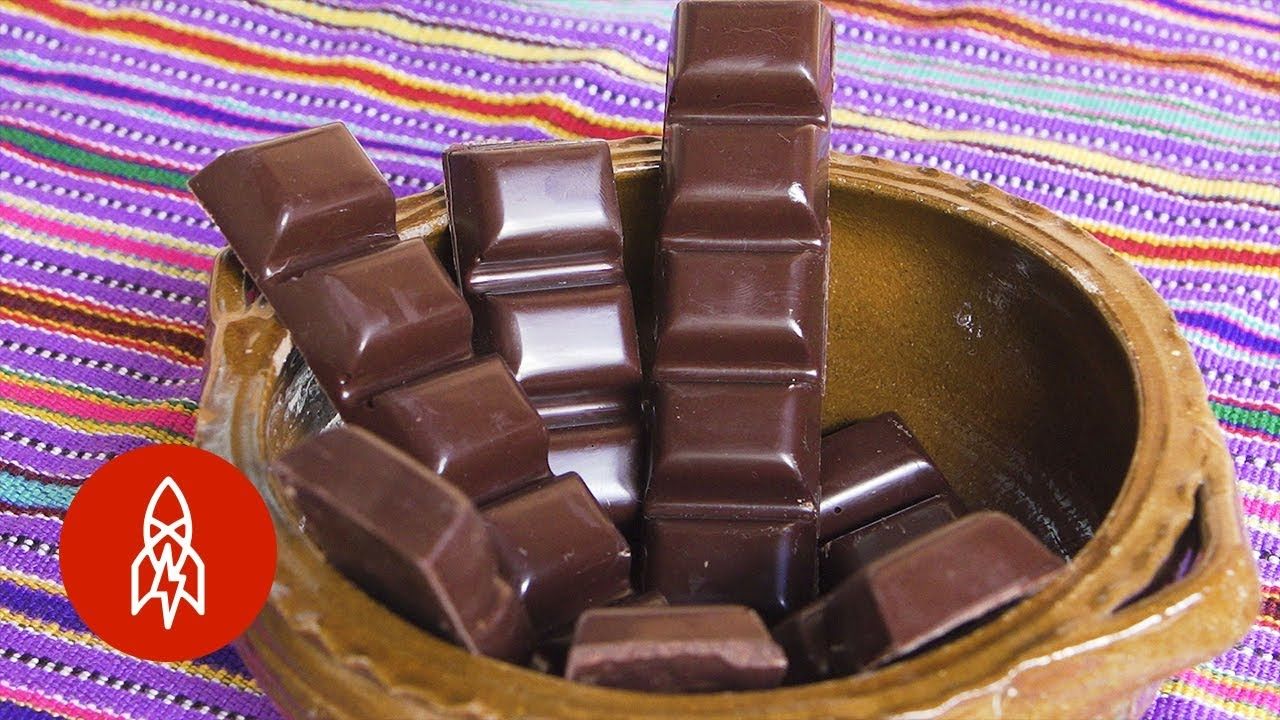
Cacao has been grown and drunk in this region for thousands of years. In Toledo, Belize, Maya Mountain Cacao was the first company in the country to buy wet beans. It ferments them in a line of boxes for six to seven days. Then it dries them on mesh decks under greenhouse plastic for one to two weeks. The beans hold an HCP heirloom designation. Ritual's Belize 75% from them reads as dried fig, cherry and honey.
In Guatemala, Goodnow Farms buys from Asochivite, an association of Q'eqchi' Maya farmers in San Juan Chivite who harvest wild trees and ferment and dry in their own village. Goodnow's 77% tastes of green banana and mango.
 3:36
Colombia, Ecuador and Peru
Ecuador is home to Nacional, the floral cacao behind the old Arriba style. Much of its land is now planted with CCN-51, a high-yield clone bred in Naranjal, Guayas, that grew to about 70 percent of the country's cacao area by 2018. Makers find CCN-51 hard to make taste fine, so Nacional bars are worth seeking out.
Peru is where a pure stand of Nacional turned up again, in the Marañón canyon, in 2011.
Colombia ranges widely. Castronovo's Arhuacos 80% comes from cacao the Arhuaco people propagated from ancestral trees in the Sierra Nevada de Santa Marta (soursop, white grape, walnut, black pepper). Fruition's Tumaco 85%, from the Pacific coast, goes darker: brownie, butterscotch, blackberry.
Vanuatu and Hawaiʻi
Small islands make some of the most distinctive bars around. Cacao from Vanuatu in the South Pacific tends toward dark, earthy and smoky flavors. Dick Taylor calls its 78% from Malekula Island bold and wild, with an almost tobacco-like richness.
Hawaiʻi grows cacao on a tiny scale. Mānoa Chocolate's Waiāhole bar comes from about 100 mature trees on the Reppun brothers' farm on Oʻahu, made once a year.
West Africa
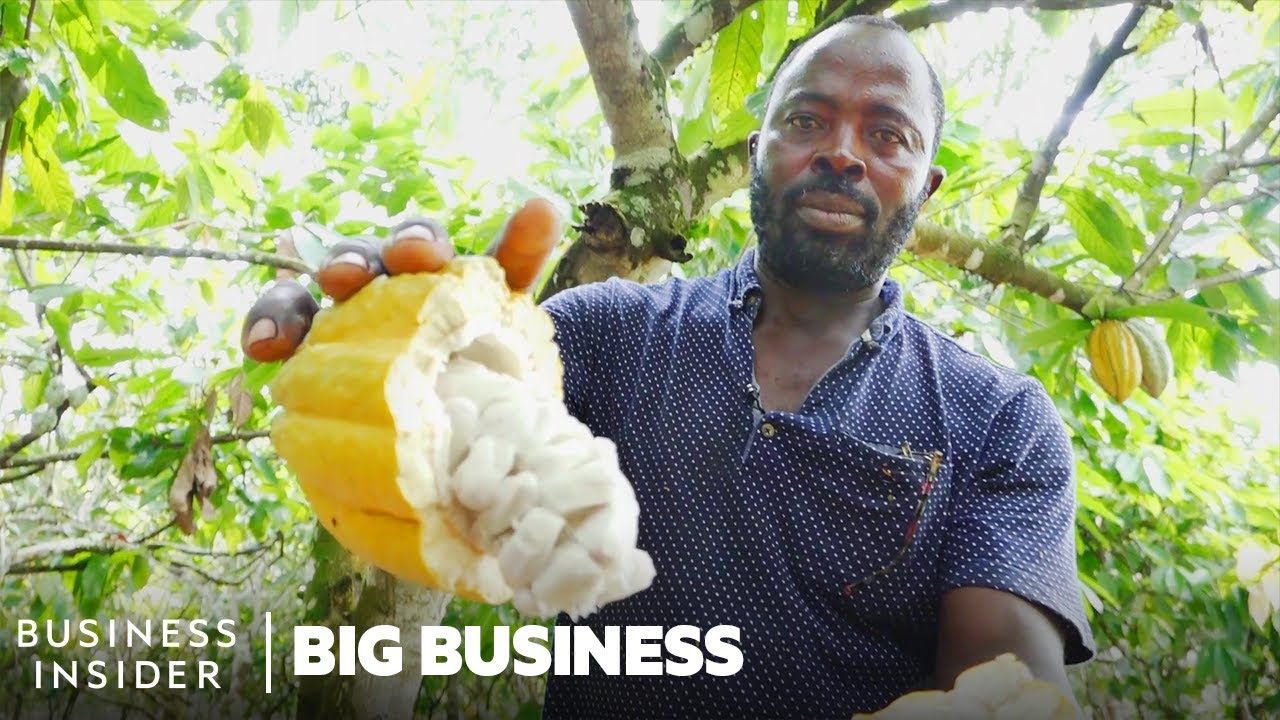
Côte d'Ivoire is the largest grower and exporter, with Ghana close behind, and most of their cacao is Amelonado grown on small family farms. The flavor is deep, round and classic, with wood and spice more than fruit, and it is what most chocolate tastes like.
Craft makers buy far less of it than its share of the world crop, and the region keeps little of the value of the finished bar. The Insider film below follows Ghanaian makers working to turn their own beans into bars at home.
 12:30
Questions
Which country makes the best cacao?
There is no single best. Madagascar, Tanzania, Ecuador, Peru, Belize and the Dominican Republic all produce celebrated fine flavor cacao, and fermentation matters as much as the country.
Why does Madagascar chocolate taste fruity?
Cacao from the Sambirano Valley is known for red berry and citrus notes and lively acidity, from its genetics, climate and fermentation. Makers like Dick Taylor and Ritual describe citrus and raspberry.
Where does most cacao come from?
About 70 percent comes from West Africa, according to the ICCO, mostly from smallholder farms in Côte d'Ivoire and Ghana.
What is fine flavor cacao?
A trade category the ICCO uses for cacao with a complex flavor profile. It keeps a country list, revised in April 2024, rating each by the share of exports that qualify.
Is CCN-51 bad cacao?
It is a high-yield clone that farmers rely on and makers often find flat or astringent. It is not bad for farmers, and careful fermentation helps it.
- Fine or flavour cocoa, International Cocoa Organization
- FAQ, International Cocoa Organization
- Operations, Kokoa Kamili
- Maya Mountain, Belize, Dandelion Chocolate
- Jaimez et al., CCN-51 cacao history and spread, PeerJ (2022), PeerJ
- Kokoa Kamili, Tanzania 70%, Dandelion Chocolate
- Zorzal Comunitario, Dominican Republic 70%, Dandelion Chocolate
- Dominican Nacional Dark 77%, Fruition Chocolate Works
- Madagascar 75%, Ritual Chocolate
- 72% Mababu, Tanzania Dark Chocolate Bar, Askinosie Chocolate
- Asochivite, Goodnow Farms
- Arhuacos 80% Single-Origin Dark Chocolate Bar, Castronovo Chocolate
- 78% Vanuatu, Malekula Island, Dick Taylor Craft Chocolate
- Waiāhole, Oʻahu Island Bar 70%, Mānoa Chocolate