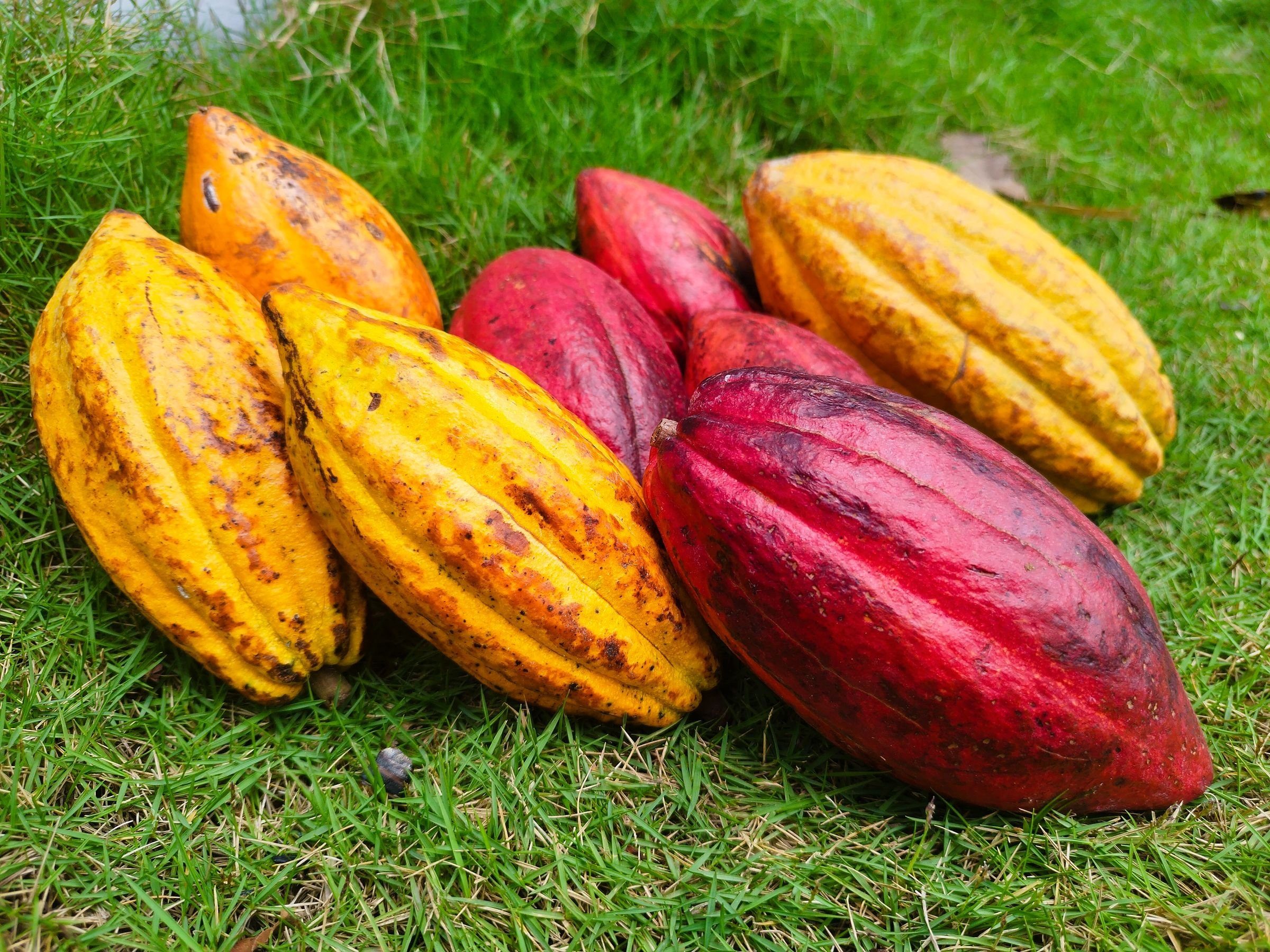
Look for an even shine, break a piece and listen for a clean snap, smell it, then let a small piece melt on your tongue without chewing. Notice how the flavor changes as it melts and how long it lasts after you swallow.
Taste at room temperature, low percentage to high, with water between bars. Pair dark chocolate with coffee, black tea, aged cheese or fruit before you reach for anything sweet.
Set up
Room temperature matters. Cold chocolate barely smells and melts too slowly to taste properly, so take bars out of any cool cupboard an hour ahead.
Break each bar into squares of about 5 grams, roughly a thumbnail. Put out plain water and plain crackers or bread. Ecole Chocolat suggests comparing like with like, so a tasting of dark bars stays a tasting of dark bars.
Order the bars by percentage, lowest first. Strong bitterness numbs your palate more than sugar does, so the 100 percent bar goes last and the gentler bars never taste flat beside it.
 11:05
Look and snap
A well-tempered dark bar is glossy and even. Gray streaks or a white film mean bloom, which is a storage problem, not a quality verdict on the maker. Color tells you very little: a light roast or a red-skinned origin can look paler and taste stronger.
Now break it near your ear. A good dark bar snaps cleanly and sharply, a sign of stable cocoa butter crystals. A dull bend means it got warm or was never tempered well.
Smell
Rub the broken edge or let a piece warm between your fingers, then cup your other hand around it and breathe in. Ecole Chocolat looks for deep, rich aromas with floral, fruity or caramel notes, and nothing metallic or off.
You will smell more than you can name at first. That is normal. Start broad: fruity, nutty, roasty, floral, earthy, spicy. The words get finer with practice.
Melt and taste
Put the square on your tongue and leave it alone. Chewing rushes it. Press it gently against the roof of your mouth and let it melt.
The flavor moves in stages. The first few seconds are often sweetness and roast. The middle is where the origin speaks, all fruit, acid and spice. The end is bitterness and the length of the finish.
Pay attention to texture too. Fine chocolate should feel full and velvety, with no grit and no waxy coating after you swallow.
| Stage | What to notice | Common notes in dark bars |
|---|---|---|
| Attack (0 to 10 s) | Sweetness, roast, first fruit | Caramel, brownie, toast |
| Middle | The origin's character | Red berry, citrus, dried fig, banana, nuts |
| Finish | Bitterness, acidity, length | Coffee, tobacco, wood, a long clean fade |
| Texture | Melt, smoothness, aftercoat | Velvety, silky, chalky, waxy |
Wait, then write one line
After you swallow, count how long the flavor lingers. A great bar keeps going and changes, and a flat one stops.
Then write one line. Not a review, just "tart cherry, then cocoa, long" or "too smoky for me". When you come back to the bar or try the same origin from another maker, that line is gold.
Compare makers' notes after you taste, never before. Notes like Dandelion's guava, Turkish yogurt and fudge for its Kokoa Kamili 70% are easy to find once you are told, which is exactly why you taste first.
Running a tasting with friends
Four to six bars is plenty. More than that and every palate in the room goes numb around bar five.
Pick a theme so the comparison means something: one origin from three makers, three origins at the same percentage, or one maker's range from 70 to 100. Hide nothing. Read the wrapper aloud, say who made it and where the beans grew, then taste. Knowing the story does not ruin the bar, and it gives people words to reach for.
Give everyone a card with three lines per bar: what they smelled, what they tasted, and whether they would buy it. The last line starts the best arguments. Keep the 100 percent for the end, and keep a pot of coffee on.
| Theme | Example |
|---|---|
| One origin, three makers | Three Kokoa Kamili, Tanzania bars |
| Three origins, one percentage | Madagascar, Belize and Colombia at 70 to 75% |
| One maker, low to high | A maker's 70%, 85% and 100% |
What to pair it with
With coffee, try an espresso or a light-roast pour-over next to a fruity Tanzanian or Central American bar, and match fruit with fruit.
With tea, a strong black tea or a roasty oolong handles a 75 percent bar well. Green tea can turn bitter against very dark chocolate.
With cheese, go for aged hard ones like a long-aged gouda or a nutty alpine cheese. They stand up to dark chocolate, and the salt does the work that sugar usually does.
With fruit and nuts, dried cherries, figs, oranges, toasted almonds and hazelnuts echo notes that are already in many bars.
With bread, a square on warm sourdough with olive oil and flaky salt makes a very good afternoon.
What to skip: anything sweeter than the chocolate. A sugary drink or dessert makes even a great bar taste sour and thin.
Questions
How do you taste dark chocolate properly?
Look for gloss, listen for a snap, smell it, then let a small piece melt on your tongue without chewing. Notice how the flavor moves and how long the finish lasts.
Should you chew chocolate when tasting?
No. Let it melt. Chewing rushes it and you miss the middle, where the origin flavors show up.
What order should you taste chocolate in?
Lowest percentage to highest, so strong bitterness from a high-percentage bar does not flatten the gentler ones.
What goes well with dark chocolate?
Coffee, black tea, aged hard cheese, dried fruit, toasted nuts and good bread. Avoid anything sweeter than the bar.
What temperature should chocolate be for tasting?
Room temperature. Cold chocolate smells faint and melts too slowly to taste fully.
- How to taste chocolate, Ecole Chocolat
- Kokoa Kamili, Tanzania 70%, Dandelion Chocolate
- Cocoa butter crystal forms, Nature Communications (2021), Nature Communications